Have you ever wondered why places like Mawsynram and Cherrapunji in India receive some of the highest rainfall in the world, while deserts such as the Sahara or the Thar Desert experience very little rain? Even within the same country, some cities receive frequent showers while others remain dry for weeks.
Rainfall is not distributed evenly across the Earth. Several natural factors influence how much rain a region receives, including geography, mountains, oceans, wind patterns, air pressure, and climate. These factors work together to determine whether an area experiences heavy rainfall, seasonal rain, or dry weather.
In this guide, we'll explore why some places receive abundant rainfall while others remain dry and how nature controls the Earth's rainfall patterns.
What Determines Rainfall?
Rainfall occurs when warm, moisture-rich air rises into the atmosphere, cools, and condenses into tiny water droplets that eventually become heavy enough to fall as rain.
However, not every region has the same conditions for cloud formation. The amount of rainfall depends on several important factors, including:
- Distance from oceans
- Mountain ranges
- Wind direction
- Air pressure systems
- Temperature
- Humidity
- Seasonal weather patterns
When these conditions are favourable, rainfall becomes more frequent and intense.
Mountains Play a Major Role
Mountains are one of the biggest reasons why rainfall differs between regions.
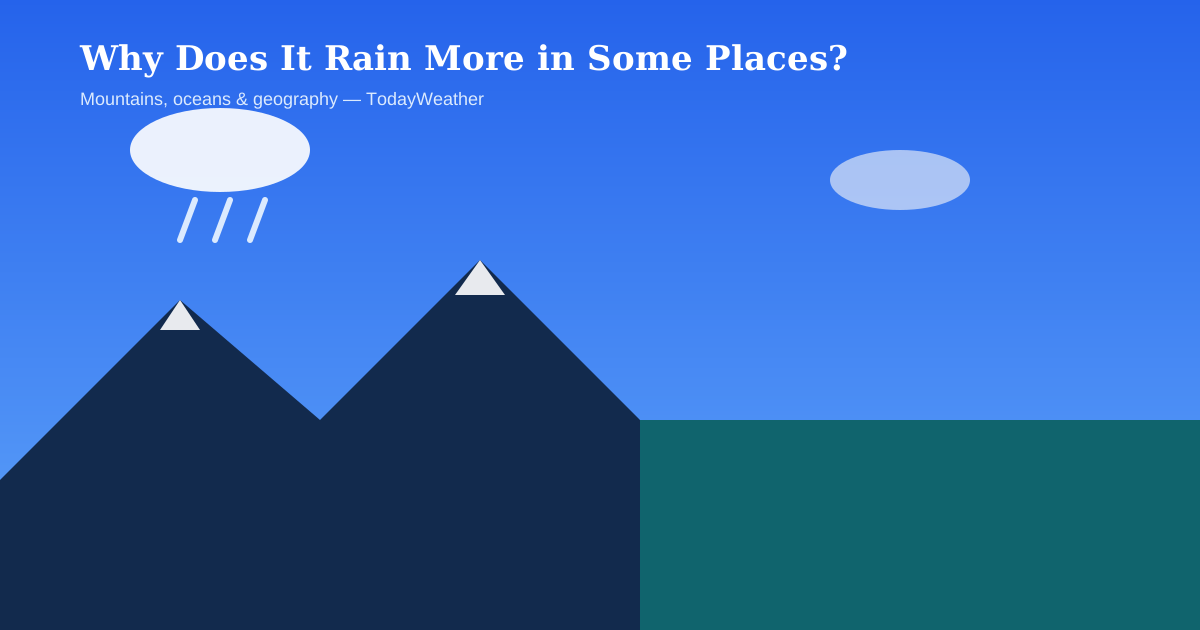
When moist air moves toward a mountain range, it is forced to rise. As the air rises, it cools and forms clouds. This process often produces heavy rainfall on the side of the mountain facing the incoming winds.
The opposite side of the mountain usually receives much less rainfall because the air becomes drier after crossing the mountain. This phenomenon is known as the rain shadow effect.
For example, several hilly regions receive significantly more rainfall than nearby plains because of this natural process.
Oceans Supply Moisture
Oceans are the primary source of the moisture that eventually becomes rain.
The Sun continuously heats ocean water, causing evaporation. This water vapour rises into the atmosphere and is carried by winds over land. Regions located near large oceans often receive more rainfall because moist air is readily available.
Coastal areas generally experience:
- Higher humidity
- More frequent cloud formation
- Greater chances of rainfall
In contrast, locations far from the sea may receive much less moisture, making them drier throughout the year.
Wind Patterns Affect Rainfall
Wind plays a crucial role in transporting moisture from one place to another.
Moist winds blowing from oceans toward land usually increase rainfall, while dry winds moving from deserts or inland regions often reduce the chances of precipitation.
Seasonal wind changes, such as monsoon winds, are responsible for bringing heavy rainfall to many parts of Asia during the rainy season.
Changes in wind direction can dramatically influence local weather conditions and rainfall amounts.
Climate Influences Rainfall
Climate determines the long-term rainfall pattern of a region. Some climates naturally receive abundant rainfall, while others remain dry for most of the year. For example:
- Tropical regions often receive frequent rainfall.
- Temperate regions experience moderate seasonal rainfall.
- Desert climates receive very little precipitation.
- Polar regions receive limited precipitation, mostly in the form of snow.
These long-term patterns explain why some locations remain consistently wet while others stay dry.
Temperature and Humidity Matter
Warm air can hold more moisture than cold air.
When warm, humid air rises and cools, water vapour condenses into clouds, increasing the likelihood of rainfall.
Regions with high humidity generally experience greater cloud development and more frequent rainfall than dry regions.
Temperature also affects evaporation. Hot climates often produce more water vapour, providing additional moisture for cloud formation if suitable atmospheric conditions exist.
Examples Around the World
Rainfall varies significantly across different parts of the world. Some regions are famous for extremely heavy rainfall, while others receive very little. Examples include:
- Tropical rainforests that experience frequent rainfall throughout the year.
- Coastal regions influenced by moist ocean winds.
- Mountain areas where rising air produces heavy precipitation.
- Desert regions where dry air prevents cloud formation.
- Polar regions where cold temperatures limit precipitation.
These examples demonstrate how geography and climate work together to shape rainfall patterns.
Why Understanding Rainfall Is Important
Knowing why rainfall varies helps people make better decisions in many areas of life. Rainfall information supports:
- Agriculture and irrigation planning
- Water resource management
- Flood preparedness
- Urban drainage design
- Tourism planning
- Hydroelectric power generation
- Environmental conservation
Accurate rainfall forecasts also help governments issue early warnings for heavy rain, floods, and other weather-related hazards.
Conclusion
Rainfall is influenced by many natural factors working together. Mountains, oceans, wind patterns, humidity, temperature, and climate all determine how much rain a region receives throughout the year.
Some places naturally experience frequent rainfall because they receive abundant moisture and favourable atmospheric conditions, while others remain dry due to limited moisture or geographical barriers.
Understanding these factors not only helps explain why rainfall differs across the world but also highlights the importance of reliable weather forecasting for agriculture, travel, disaster preparedness, and everyday life.