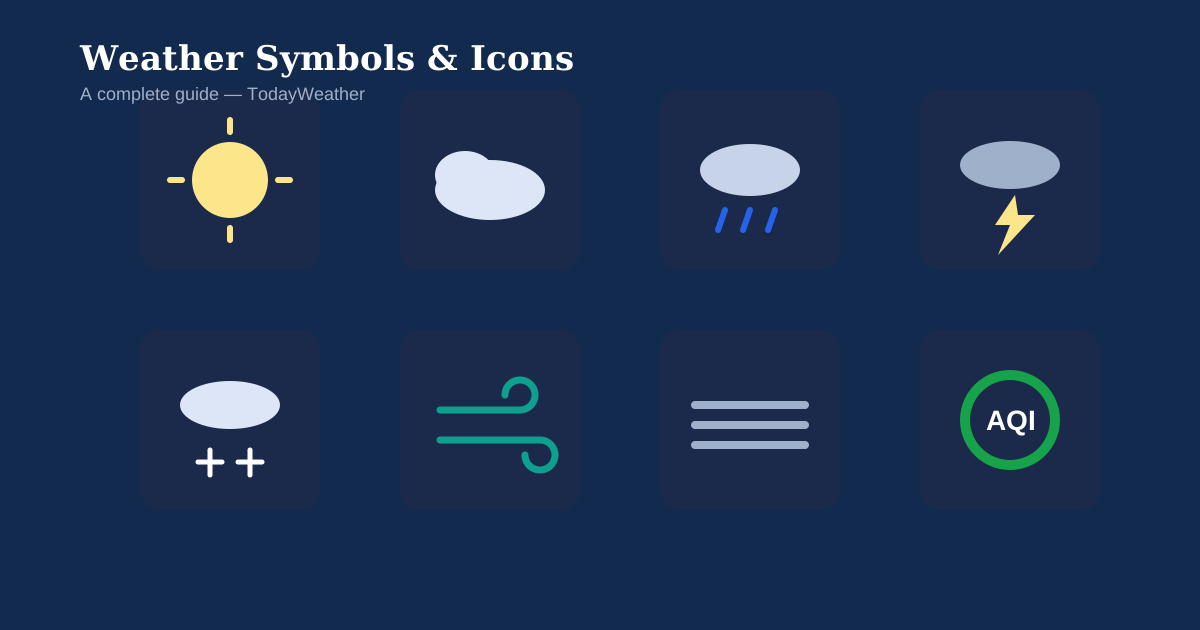
Have you ever opened a weather app and wondered what all those small symbols actually mean? A bright sun, dark cloud, raindrops, snowflakes, lightning bolts, or fog icons can quickly tell you about upcoming weather without reading a detailed forecast. These symbols are designed to make weather information simple, fast, and easy to understand.
Weather icons are used by weather websites, mobile apps, television channels, aviation services, and meteorological departments worldwide. Learning their meaning helps you make better decisions before travelling, planning outdoor activities, or preparing for changing weather conditions.
In this guide, we'll explain the most common weather symbols, what they represent, and how they can help you understand forecasts more effectively.
Why Weather Symbols Are Important
Weather symbols provide a quick visual summary of current and forecasted conditions. Instead of reading long reports, users can understand expected weather in just a few seconds. Weather icons help people:
- Plan outdoor activities
- Decide what clothes to wear
- Prepare for rain or storms
- Check travel conditions
- Understand weather forecasts quickly
- Stay informed about severe weather
Because these symbols are widely recognized, they make weather information easier to understand regardless of language.
Sunny Weather Symbols
The sun icon is one of the most familiar weather symbols. A bright yellow or orange sun usually indicates:
- Clear skies
- Plenty of sunshine
- Low chance of rainfall
- Good outdoor conditions
Sometimes the sun may appear partially behind a cloud, indicating partly cloudy or mostly sunny weather.
These conditions are generally comfortable for outdoor activities, although UV levels may still be high during the afternoon.
Cloud Symbols
Cloud icons indicate the amount of cloud cover expected. Common cloud symbols include:
- Few clouds
- Partly cloudy
- Mostly cloudy
- Overcast skies
Cloudy weather does not always mean it will rain. Sometimes clouds simply reduce sunshine without producing precipitation.
Dark grey cloud icons often indicate increasing chances of rain or storms.
Rain Symbols
Rain icons are usually represented by clouds with blue raindrops underneath. Different rain symbols may indicate:
- Light rain
- Moderate rain
- Heavy rainfall
- Rain showers
- Drizzle
Some weather apps also include a percentage value showing the probability of precipitation, helping users understand the likelihood of rain.
Thunderstorm Symbols
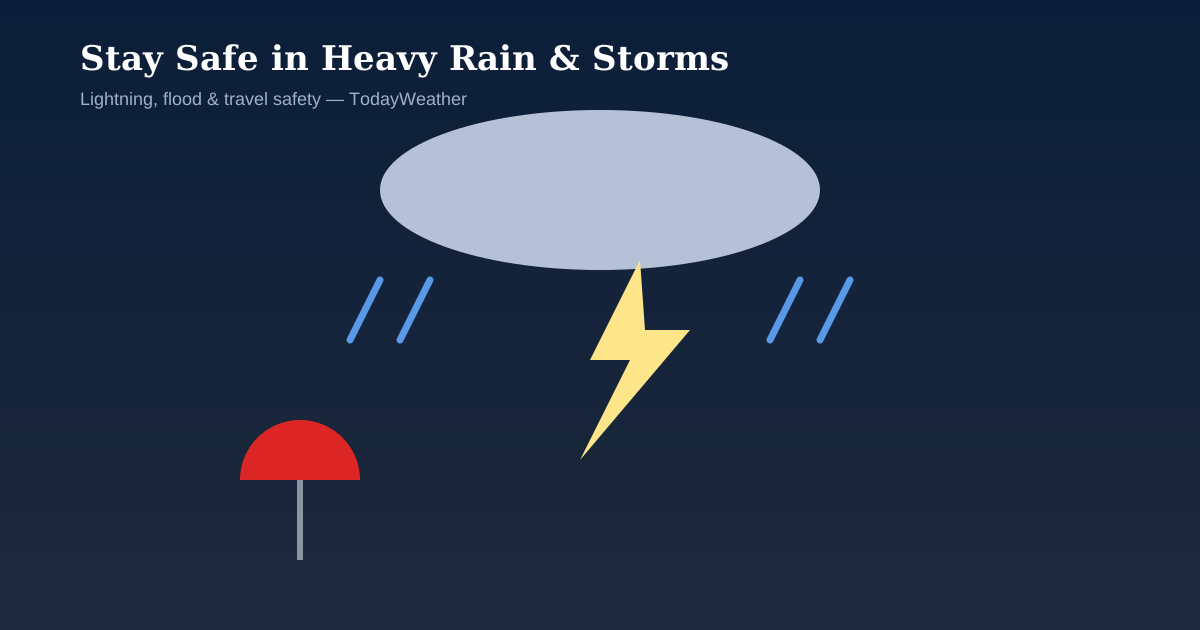
A cloud with a lightning bolt represents thunderstorms. Thunderstorm forecasts may include:
- Lightning
- Heavy rainfall
- Strong winds
- Hail
- Local flooding
When this symbol appears, it's a good idea to monitor weather updates and avoid unnecessary outdoor activities, especially during severe weather warnings.
Snow and Winter Weather Symbols
Snow-related icons usually contain snowflakes or snowy clouds. These symbols may represent:
- Light snowfall
- Heavy snowfall
- Snow showers
- Blizzard conditions
- Freezing temperatures
- Ice or sleet
Winter weather icons are particularly useful in regions that experience cold climates and seasonal snowfall.
Fog and Mist Symbols
Fog icons often appear as several horizontal grey lines. They indicate:
- Reduced visibility
- Fog
- Mist
- Haze
Foggy conditions can affect road, rail, and air travel. Drivers should reduce speed and use appropriate lighting when visibility becomes poor.
Wind Symbols
Wind symbols usually display moving lines, arrows, or a windsock. They help users understand:
- Wind speed
- Wind direction
- Strong gusts
- Breezy conditions
High wind speeds may affect outdoor events, aviation, marine transport, and high-rise construction activities.
Air Quality and Weather Indicators
Many modern weather platforms also display air quality information alongside weather icons. Common AQI indicators include:
- Good
- Moderate
- Unhealthy for Sensitive Groups
- Unhealthy
- Very Unhealthy
- Hazardous
These indicators help people decide whether outdoor activities are safe, particularly for children, older adults, and individuals with respiratory conditions.
How to Read Weather Icons Correctly
While weather symbols provide a quick overview, they should always be interpreted alongside important weather details such as:
- Temperature
- Feels-like temperature
- Humidity
- Wind speed
- Rain probability
- Air Quality Index (AQI)
- Sunrise and sunset times
A sunny icon, for example, may still accompany high temperatures or strong UV levels, while a cloud icon does not necessarily mean rain is expected.
Reading both the symbols and supporting forecast information gives a more complete understanding of the day's weather.
Conclusion
Weather symbols make forecasting simple, visual, and easy to understand. From sunny skies and rain showers to thunderstorms, fog, snow, and strong winds, each icon provides valuable information that helps people prepare for changing weather conditions.
Whether you're planning a family outing, travelling to another city, or simply deciding whether to carry an umbrella, understanding weather icons allows you to interpret forecasts more confidently. As weather technology continues to improve, these symbols remain one of the quickest and most effective ways to communicate important weather information.