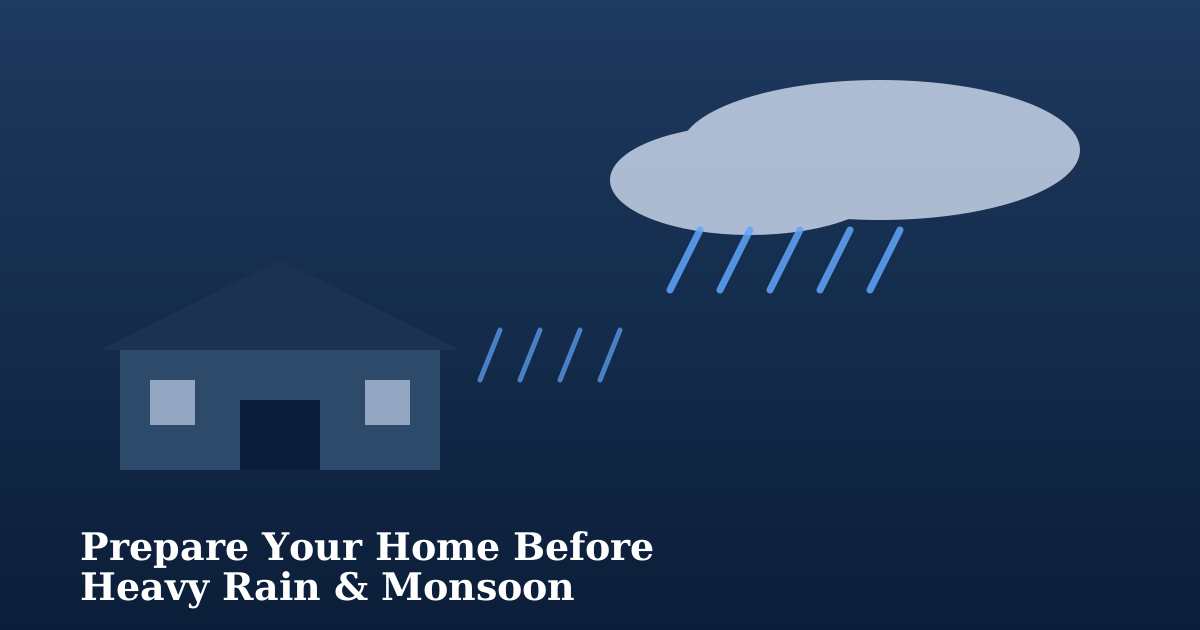
The arrival of the monsoon season brings welcome relief from scorching summer temperatures, but it also increases the risk of heavy rainfall, waterlogging, flooding, power outages, and property damage.
Preparing your home before the rainy season begins can help prevent expensive repairs and ensure the safety of your family. A few simple precautions taken in advance can make a significant difference when severe weather strikes.
Here's a complete guide to preparing your home before heavy rain and the monsoon season.
Why Monsoon Preparation Is Important
Heavy rainfall can cause:
- Roof leaks
- Water seepage
- Flooded basements
- Electrical hazards
- Blocked drainage systems
- Structural damage
- Mold and mildew growth
Regular home maintenance reduces these risks and helps your home withstand extreme weather conditions.
Inspect Your Roof
Your roof is the first line of defense against heavy rainfall. Check for:
- Broken roof tiles
- Loose shingles
- Cracks
- Rusted metal sheets
- Damaged waterproof coating
Even a small leak can lead to serious water damage over time.
Clean Gutters and Drains
Leaves, dust, and debris often block gutters during the rainy season. Blocked drainage can cause roof overflow, water seepage, wall damage, and foundation problems. Clean all gutters and rainwater pipes before the monsoon arrives.
Seal Doors and Windows
Inspect all windows and doors for gaps, broken seals, and cracked frames. Use weatherproof sealants to prevent rainwater from entering your home.
Check Electrical Systems
Water and electricity are a dangerous combination. Before the rainy season:
- Inspect exposed wiring.
- Repair damaged electrical sockets.
- Install surge protectors.
- Keep extension boards away from wet areas.
If flooding occurs, turn off the main power supply before entering affected areas.
Did You Know? Even a few centimetres of standing water on a floor can make nearby "safe-looking" sockets dangerous — always cut power at the main switch before you check a flooded room, never at the socket itself.
Protect Important Documents
Store valuable documents in waterproof folders or containers. These include identity cards, passports, insurance papers, property documents, and medical records. Cloud backups are also recommended for digital copies.
Trim Trees Around Your Home
Strong winds and heavy rain can weaken tree branches. Trim dead branches, overgrown limbs, and trees close to power lines. This helps reduce the risk of falling branches damaging your home or vehicles.
Prepare an Emergency Kit
Every household should have an emergency kit containing:
- Drinking water
- Non-perishable food
- Flashlights
- Extra batteries
- First aid kit
- Power bank
- Essential medicines
- Emergency contact list
Keep the kit easily accessible.
Protect Outdoor Furniture
Move lightweight outdoor furniture indoors whenever heavy rain or strong winds are expected. Secure garden chairs, flower pots, decorative items, and barbecue equipment. Loose objects can become dangerous during storms.
Waterproof Your Basement
If your home has a basement, inspect it carefully. Check for wall cracks, water seepage, faulty sump pumps, and damp flooring. Waterproof coatings can reduce flood damage.
Store Emergency Supplies
Power outages are common during severe storms. Keep rechargeable lights, a battery-powered radio, candles (used safely), and portable chargers. Fully charge your electronic devices before heavy rain begins.
Monitor Weather Forecasts
Weather conditions can change rapidly during the monsoon season. Before traveling or planning outdoor activities, check rain probability, thunderstorm warnings, wind speed, flood alerts, and local weather advisories. Reliable weather forecasts help you prepare in advance.
TodayWeather Expert Tip: Before you plan your day, check today's live temperature and rain forecast for your city on TodayWeather's home page — the hourly forecast and live rain radar can warn you of a shower long before it starts.
Vehicle Preparation
Heavy rain also affects transportation. Before the rainy season: check tire condition, test windshield wipers, inspect headlights, ensure brakes function properly, and keep emergency tools inside your vehicle. Avoid driving through flooded roads.
Keep Your Family Informed
Create a simple emergency plan for your household. Discuss emergency exits, safe meeting points, emergency phone numbers, and shelter locations if evacuation becomes necessary. Prepared families respond more calmly during emergencies.
Common Mistakes to Avoid
Many homeowners overlook simple precautions that can lead to costly damage. Avoid:
- Ignoring small roof leaks
- Delaying gutter cleaning
- Parking vehicles in flood-prone areas
- Walking through floodwater
- Using electrical appliances with wet hands
- Waiting until the storm arrives to prepare
Prevention is always easier than repairs.
Final Thoughts
Heavy rain and monsoon weather are unavoidable, but proper preparation can greatly reduce the impact on your home and family.
Simple tasks like cleaning drains, inspecting your roof, securing electrical systems, and staying informed through reliable weather forecasts can help prevent damage and improve safety.
Preparing before the first major rainfall ensures that your home remains protected throughout the season.