
Rain is one of the most important natural processes on Earth. It provides fresh water for drinking, agriculture, rivers, lakes, forests, and wildlife. Without rainfall, life as we know it would not exist. Although rain is something we experience regularly, many people still wonder how it actually forms and why it rains more in some places than others.
Rain is part of a continuous natural process called the water cycle. Water constantly moves between the Earth's surface and the atmosphere through evaporation, condensation, cloud formation, and precipitation. This cycle has been occurring for millions of years and plays a vital role in maintaining life on our planet.
In this guide, we'll explain how rain forms, the science behind the water cycle, and why rainfall is essential for people, animals, and the environment.
What Is Rain?
Rain is a form of precipitation, which means water falling from the atmosphere to the Earth's surface. It occurs when tiny water droplets inside clouds combine, grow larger, and become too heavy to remain suspended in the air. Gravity then pulls these droplets toward the ground as rain.
Depending on atmospheric conditions, precipitation may also fall as snow, sleet, or hail. However, in warmer temperatures, it usually reaches the ground as liquid rain.
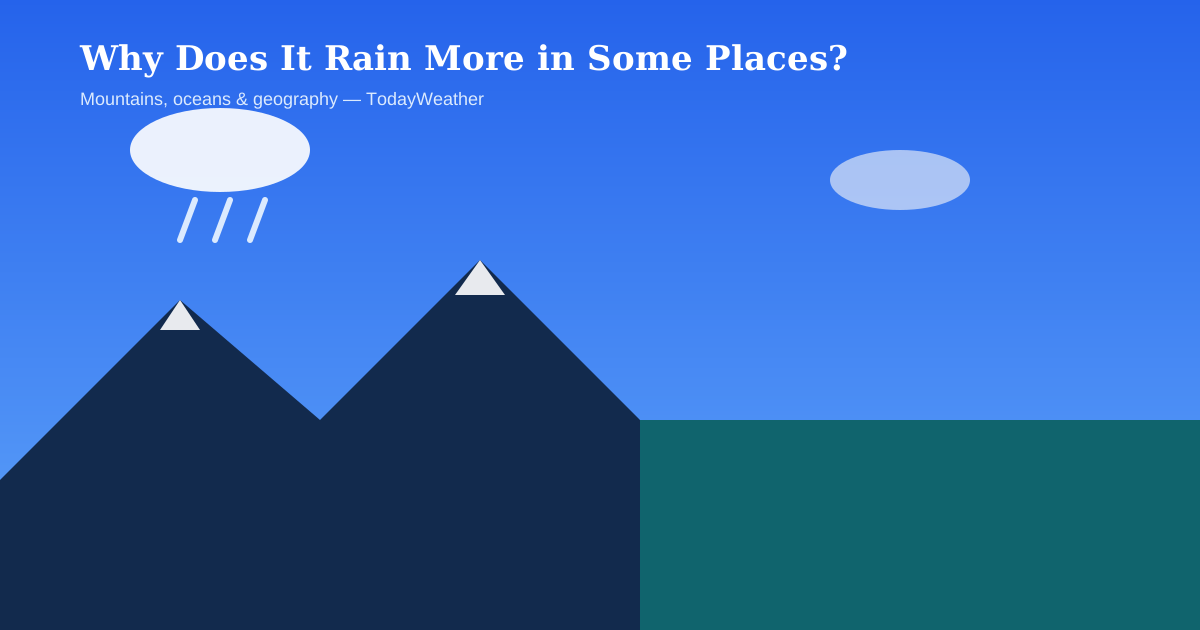
Rainfall varies greatly across different regions of the world. Some places receive heavy rainfall throughout the year, while others experience long dry periods with very little precipitation.
Understanding the Water Cycle
The water cycle is the continuous movement of water between the Earth's surface and the atmosphere. It consists of four main stages:
1. Evaporation
The Sun heats oceans, rivers, lakes, and other water bodies, causing water to change into water vapor. This invisible vapor rises into the atmosphere.
2. Condensation
As water vapor rises higher, the air becomes cooler. The vapor cools and changes back into tiny liquid droplets that gather together to form clouds.
3. Cloud Formation
Millions of tiny water droplets combine to create clouds. Although each droplet is extremely small, together they make clouds visible in the sky.
4. Precipitation
As more droplets combine, they become larger and heavier. Eventually, gravity causes them to fall to the Earth's surface as rain.
After reaching the ground, water flows into rivers, lakes, oceans, or seeps into the soil, where the cycle begins again.
Why Does Rain Fall?
Clouds may appear light and fluffy, but they contain enormous amounts of water. Initially, the water droplets inside clouds are extremely small and can remain suspended by rising air currents.
Over time, these droplets collide and merge with one another. As they grow larger, they become too heavy for the air currents to support. Gravity then causes them to fall as rain.
The amount of rainfall depends on several atmospheric conditions, including:
- Temperature
- Humidity
- Wind patterns
- Air pressure
- Cloud type
- Geographic location
Different Types of Rain
Not all rainfall is the same. Meteorologists classify rain into several categories based on its intensity and formation.
Light Rain
Light rain consists of small droplets that fall gently and usually last for a longer period.
Moderate Rain
Moderate rain is steady and can reduce visibility while providing useful water for agriculture and reservoirs.
Heavy Rain
Heavy rain occurs when large amounts of water fall in a short time. It may lead to waterlogging, flash floods, or traffic disruptions.
Drizzle
Drizzle is made up of very fine water droplets that fall slowly and often occur under low clouds.
Showers
Rain showers are short periods of rainfall that start and stop quickly, often associated with changing cloud conditions.
Why Rain Is Important
Rain is essential for maintaining the Earth's ecosystems and supporting everyday life. It helps to:
- Refill rivers, lakes, and reservoirs
- Recharge groundwater supplies
- Support agriculture and food production
- Maintain forests and wildlife habitats
- Cool the atmosphere
- Improve air quality by washing dust and pollutants from the air
Without regular rainfall, many regions would face water shortages, reduced crop production, and serious environmental challenges.
Interesting Facts About Rain
- The same water on Earth has been recycled through the water cycle for millions of years.
- Rain does not always reach the ground. In very dry air, it can evaporate before touching the surface, creating a phenomenon called virga.
- Some of the wettest places on Earth receive several metres of rainfall every year, while deserts may receive very little rain for months or even years.
- Rainwater is naturally slightly acidic because it absorbs carbon dioxide from the atmosphere.
Conclusion
Rain is much more than water falling from the sky — it is a crucial part of the Earth's natural water cycle. Through evaporation, condensation, cloud formation, and precipitation, water is continuously recycled to sustain life across the planet.
Understanding how rain forms helps us appreciate the importance of weather forecasting, water conservation, and environmental protection. Whether it's a light drizzle or a heavy downpour, every rainfall plays an important role in maintaining the balance of nature.