When checking the weather forecast, you've probably noticed a number labelled AQI or Air Quality Index. Sometimes it's displayed in green, yellow, orange, red, or even purple. While many people know that a lower AQI is better, they often don't understand what these numbers actually mean or how they affect daily life.
The Air Quality Index (AQI) is a simple scale that tells you how clean or polluted the air is and whether it may pose a health risk. It helps people decide if it's safe to go for a morning walk, exercise outdoors, or let children play outside.
In this guide, we'll explain the different AQI levels, what each colour means, and how you can protect yourself when air quality becomes unhealthy.
What Is the AQI Scale?
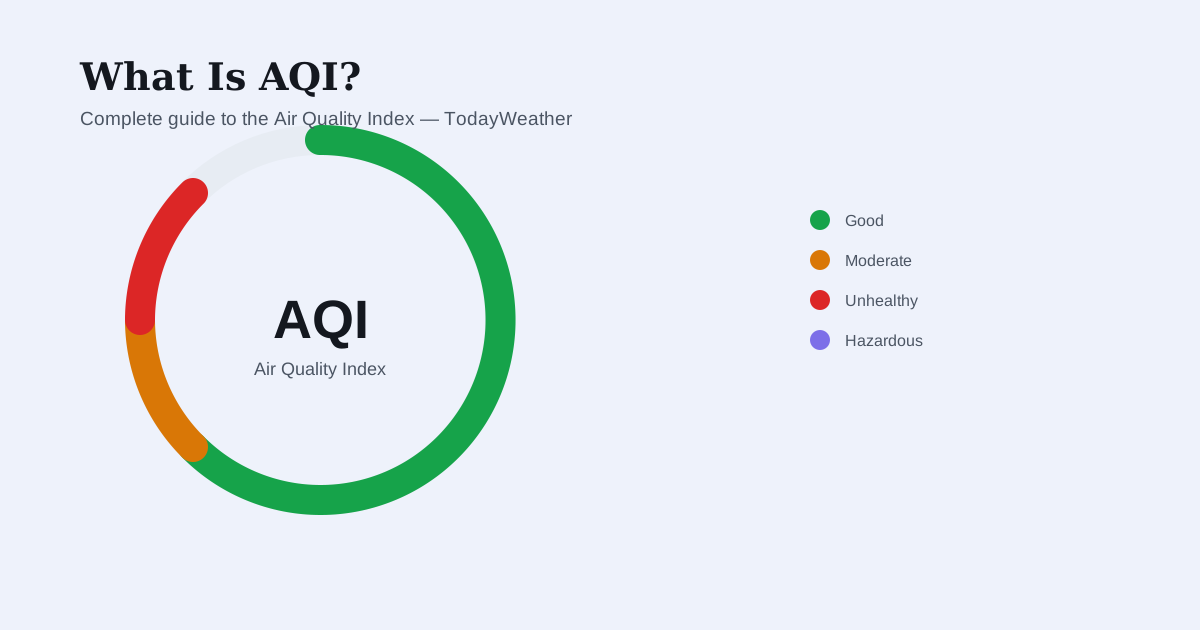
The Air Quality Index converts complex pollution data into an easy-to-understand number. The higher the AQI, the greater the level of air pollution and the higher the potential health risk.
Most weather websites and air quality apps use colour-coded categories so users can quickly understand current conditions without reading technical pollution reports.
Although AQI systems may vary slightly between countries, the general health guidance remains similar worldwide.
AQI Categories Explained
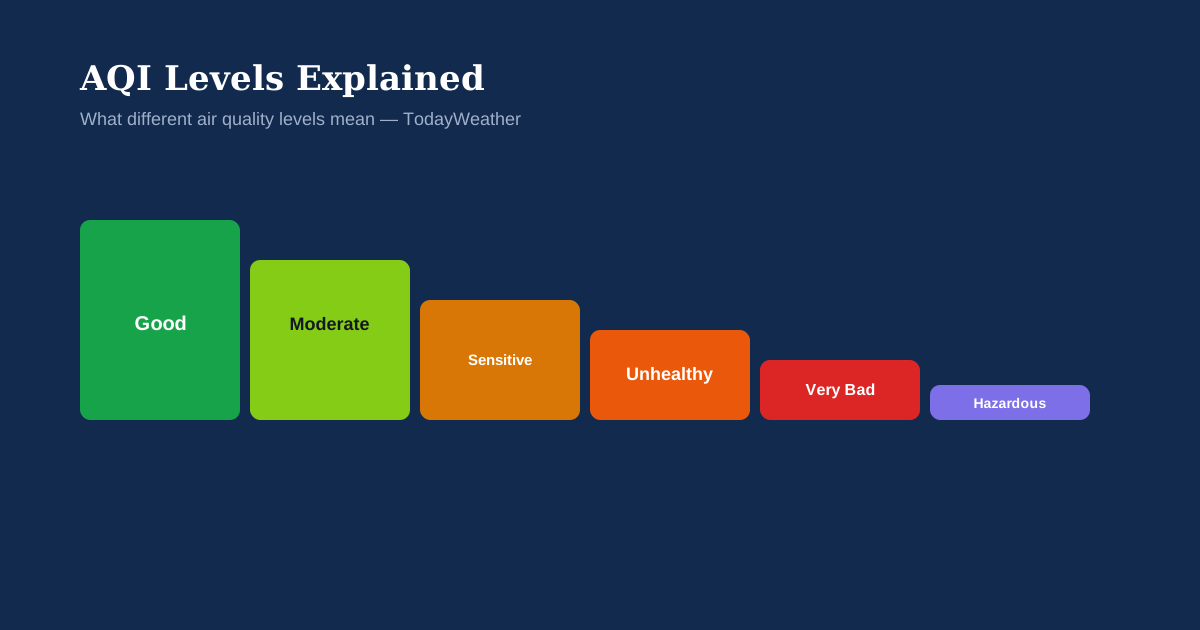
🟢 Good (0–50)
An AQI between 0 and 50 indicates excellent air quality. The air is clean, and there is little or no health risk. During this level:
- Outdoor exercise is safe.
- Children can play outside freely.
- Sensitive individuals are unlikely to experience pollution-related symptoms.
- Air quality is considered ideal for everyone.
This is the best time for activities such as walking, cycling, jogging, or spending time outdoors.
🟡 Moderate (51–100)
An AQI between 51 and 100 is generally acceptable for most people. Although the air remains fairly clean, a small number of sensitive individuals — such as people with asthma or allergies — may experience mild discomfort after prolonged outdoor exposure. For most healthy adults, normal outdoor activities can continue without concern.
🟠 Unhealthy for Sensitive Groups (101–150)
At this level, pollution begins to affect people who are more vulnerable. Sensitive groups include:
- Children
- Older adults
- Pregnant women
- People with asthma
- Individuals with heart or lung disease
If AQI reaches this category, sensitive individuals should reduce prolonged outdoor exercise and monitor their health more carefully.
🔴 Unhealthy (151–200)
An AQI between 151 and 200 indicates unhealthy air quality for everyone. Common symptoms may include:
- Coughing
- Eye irritation
- Sore throat
- Shortness of breath
- Difficulty exercising outdoors
People should avoid unnecessary outdoor activities, especially during peak pollution hours.
🟣 Very Unhealthy (201–300)
Air quality at this level poses a serious health concern. Health authorities often recommend:
- Staying indoors whenever possible.
- Closing windows.
- Using air purifiers if available.
- Wearing certified protective masks when going outside.
- Limiting outdoor exercise.
Everyone — not just sensitive groups — may begin experiencing health effects.
🟤 Hazardous (301+)
An AQI above 300 represents hazardous air quality. This level may occur during severe pollution events, dust storms, wildfires, or industrial accidents. People should:
- Remain indoors as much as possible.
- Follow official health advisories.
- Avoid strenuous outdoor activities.
- Use air purification where available.
- Seek medical advice if respiratory symptoms worsen.
Hazardous AQI conditions require extra caution for everyone.
Why Does AQI Change Every Day?
Air quality can improve or worsen within hours depending on weather conditions and pollution sources. Factors that influence AQI include:
- Vehicle traffic
- Industrial emissions
- Construction activity
- Crop residue burning
- Wildfires
- Dust storms
- Wind speed
- Rainfall
- Temperature inversions
For example, rainfall often helps remove pollutants from the atmosphere, temporarily improving air quality. Strong winds can also disperse pollutants, while calm weather may allow pollution to build up near the ground.
How AQI Helps You Plan Your Day
Checking AQI before leaving home can help you make healthier decisions. When AQI is poor:
- Exercise indoors instead of outdoors.
- Keep children indoors during severe pollution.
- Wear a certified protective mask if necessary.
- Limit prolonged exposure.
- Monitor people with asthma or respiratory conditions more closely.
Many modern weather apps display AQI alongside temperature, humidity, UV Index, and weather forecasts, making it easy to stay informed.
Tips for Staying Safe During Poor AQI
If the Air Quality Index reaches unhealthy levels:
- Check AQI several times a day.
- Avoid outdoor workouts.
- Keep windows closed during peak pollution.
- Use an air purifier if possible.
- Stay hydrated.
- Reduce exposure to busy roads and traffic.
These simple precautions can significantly reduce your exposure to harmful pollutants.
Conclusion
Understanding AQI levels is an important part of protecting your health. The Air Quality Index provides a simple way to measure pollution and helps people decide when it's safe to spend time outdoors.
Whether the AQI is good, moderate, or hazardous, knowing what each category means allows you to make smarter daily decisions. By checking AQI alongside the weather forecast, you can better protect yourself and your family from the harmful effects of air pollution.