The monsoon is one of the most important weather systems in the world, especially for countries like India, Bangladesh, Nepal, Sri Lanka, and several parts of Southeast Asia. Every year, millions of people eagerly wait for the arrival of the monsoon because it brings much-needed rainfall that supports agriculture, replenishes rivers and reservoirs, and provides relief from intense summer heat.
However, the monsoon is much more than just heavy rainfall. It is a seasonal change in wind patterns that influences weather over large regions. While a good monsoon can improve crop production and water availability, excessive or delayed rainfall can also lead to floods, droughts, and economic challenges.
In this guide, we'll explain what a monsoon is, how it forms, why it is important, and how it affects daily life.
What Is a Monsoon?
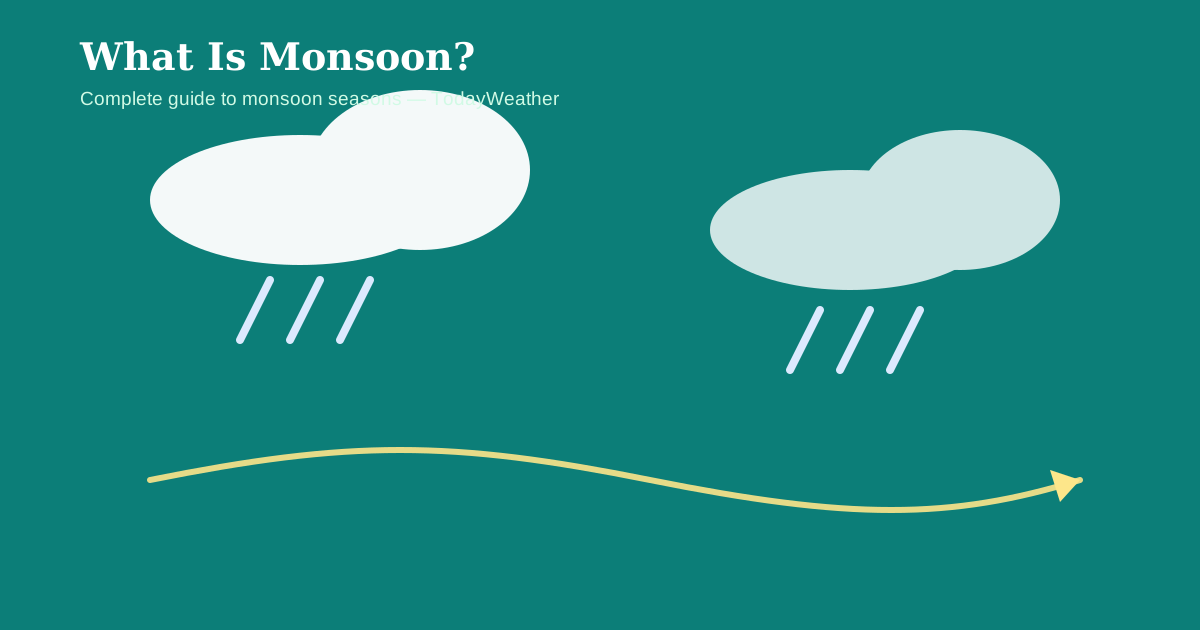
A monsoon is a seasonal shift in wind direction that causes significant changes in rainfall patterns. The word "monsoon" comes from the Arabic word "mausim," meaning season.
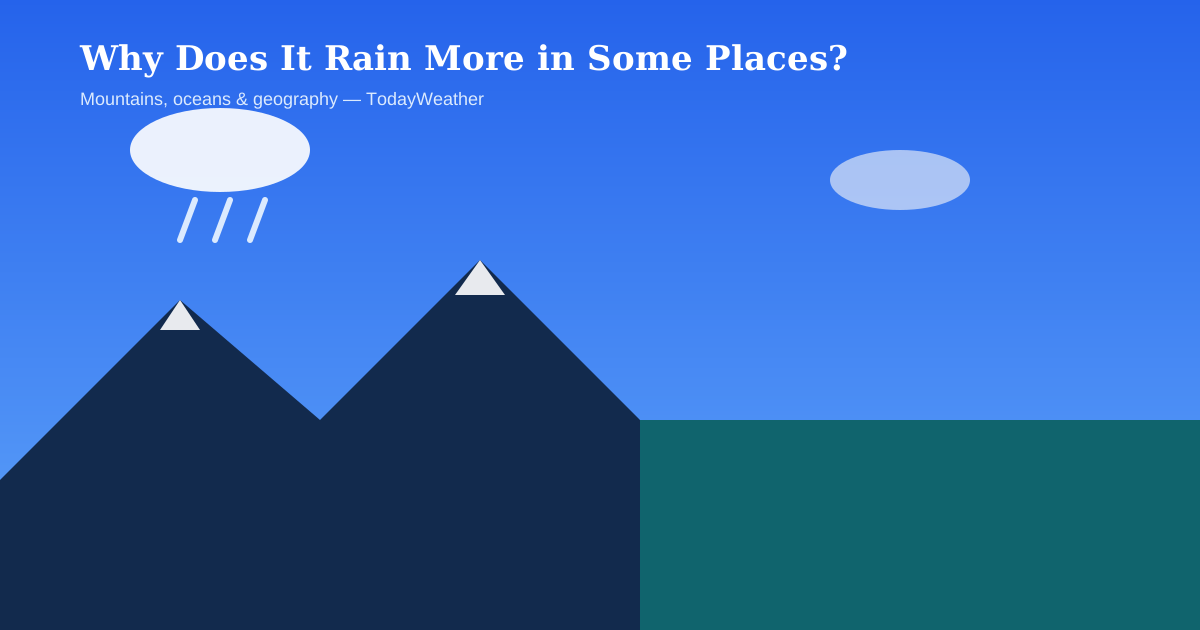
Unlike ordinary rain, a monsoon is a large-scale weather system driven by differences in temperature between land and oceans. During summer, land heats up much faster than the surrounding sea. This creates low-pressure areas over land, drawing in moisture-rich winds from the oceans. As these winds rise and cool, they form clouds and produce widespread rainfall.
This seasonal cycle repeats every year, making the monsoon one of the most predictable weather systems in many parts of the world.
How Does a Monsoon Form?
The formation of a monsoon begins with the Sun heating the Earth's surface.
During summer, land temperatures rise quickly, while oceans remain relatively cooler. Warm air over the land rises, creating an area of low pressure. Moist air from nearby oceans moves toward this low-pressure region.
As the moist air rises into the atmosphere, it cools and condenses into clouds. When the water droplets inside these clouds become heavy enough, they fall as rain.
This process continues throughout the monsoon season, bringing repeated spells of rainfall across affected regions.
Types of Monsoon
There are two main types of monsoon experienced in many parts of Asia.
Summer Monsoon
The summer monsoon is the most significant rainy season. Moist winds from the ocean move inland, bringing widespread rainfall that supports agriculture, rivers, forests, and water supplies.
In India, the summer monsoon generally arrives during June and continues until September, although the exact timing may vary slightly each year.
Winter Monsoon
During winter, the wind direction reverses. Cool, dry air moves from land toward the sea, resulting in much drier conditions across most regions. However, some coastal areas may still receive rainfall depending on local weather patterns.
The Indian Monsoon
India experiences one of the world's most important monsoon systems. The southwest monsoon supplies a large percentage of the country's annual rainfall and plays a vital role in agriculture, drinking water, and hydroelectric power generation.
The monsoon usually progresses across different regions over several weeks rather than arriving everywhere at the same time. Some areas receive moderate rainfall, while others experience intense downpours.
Meteorologists continuously monitor wind patterns, sea temperatures, atmospheric pressure, and satellite observations to forecast the progress of the monsoon.
Why Is the Monsoon Important?
The monsoon affects nearly every aspect of life in many countries. It helps:
- Refill rivers and lakes
- Recharge groundwater
- Support farming and crop production
- Supply drinking water
- Generate hydroelectric power
- Maintain forests and wildlife
- Reduce extreme summer temperatures
A healthy monsoon contributes significantly to agriculture and the economy, particularly in countries where farming depends heavily on seasonal rainfall.
Challenges During the Monsoon
Although the monsoon provides many benefits, it can also create serious challenges when rainfall becomes excessive or irregular. Heavy rainfall may lead to:
- Urban flooding
- Waterlogging
- Landslides in hilly areas
- Traffic disruptions
- Flight delays
- Damage to crops and infrastructure
On the other hand, weak or delayed monsoon rainfall can result in drought conditions, water shortages, and reduced agricultural production.
Because of these risks, weather forecasts and rainfall warnings become especially important during the monsoon season.
How Meteorologists Forecast the Monsoon
Predicting the monsoon requires advanced weather observations and scientific models. Meteorologists use:
- Weather satellites
- Doppler radar systems
- Ocean observations
- Weather balloons
- Ground weather stations
- Computer forecasting models
These tools help track cloud movement, rainfall intensity, wind patterns, and atmospheric pressure changes. Forecasts are updated regularly as new weather data becomes available.
Tips for Staying Safe During the Monsoon
A few simple precautions can help you stay safe during heavy monsoon rains.
- Check reliable weather forecasts before travelling.
- Avoid driving through flooded roads.
- Keep emergency supplies ready during periods of heavy rainfall.
- Stay away from rivers and fast-moving water during flood warnings.
- Follow official weather alerts issued by local authorities.
- Carry rain protection when rain is expected.
Planning ahead helps reduce risks and ensures safer travel during the rainy season.
Conclusion
The monsoon is one of the Earth's most important seasonal weather systems. It brings life-giving rainfall that supports agriculture, drinking water, ecosystems, and economic activity across many countries. At the same time, heavy monsoon rains can also create flooding and other weather-related challenges.
Understanding how the monsoon forms and why it behaves differently each year helps people make informed decisions about farming, travel, and daily activities. By following reliable weather forecasts and official alerts, individuals and communities can better prepare for both the benefits and challenges of the monsoon season.