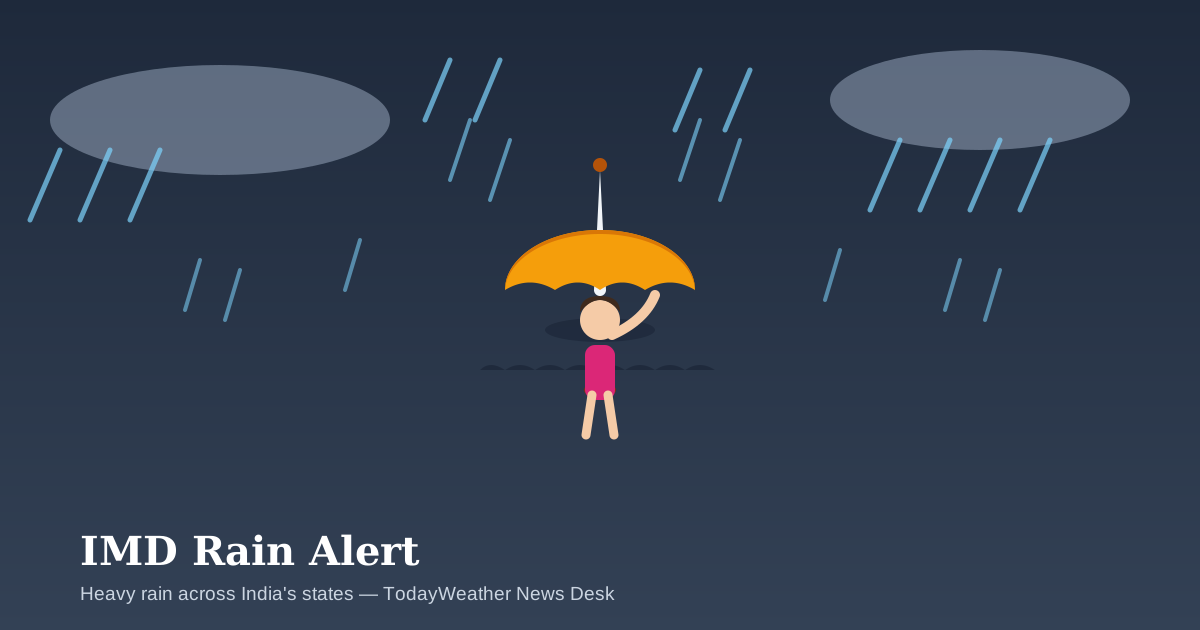
Heavy rain and thunderstorms are among the most common weather events experienced across many parts of the world. While rainfall is essential for maintaining water resources and supporting agriculture, severe weather can also pose significant risks to people, property, and transportation. Flooded roads, lightning strikes, strong winds, poor visibility, and waterlogging can quickly turn an ordinary rainy day into a dangerous situation.
Fortunately, many weather-related accidents can be avoided by staying informed and following simple safety precautions. Modern weather forecasts, weather alerts, and radar systems provide valuable information that helps people prepare before severe weather arrives.
In this guide, you'll learn practical safety tips to protect yourself, your family, and your property during heavy rain and thunderstorms.
Why Heavy Rain Can Be Dangerous
Heavy rainfall can create hazardous conditions within a short period. Roads may become flooded, visibility can drop significantly, and strong winds may damage trees, buildings, and power lines. Some of the most common risks include:
- Flash floods
- Waterlogging
- Traffic accidents
- Falling trees and branches
- Power outages
- Landslides in hilly areas
- Property damage
- Reduced visibility while driving
Even areas that do not usually experience flooding can become dangerous during intense rainfall.
Stay Updated with Weather Forecasts
The first step in staying safe is to monitor reliable weather forecasts. Before travelling or planning outdoor activities:
- Check the latest weather forecast.
- Monitor rainfall warnings.
- Follow severe weather alerts.
- Watch weather radar if available.
- Stay informed about flood advisories.
Forecasts are updated regularly, so checking them several times during severe weather can help you make safer decisions.
Lightning Safety Tips
Lightning is one of the most dangerous parts of a thunderstorm. A single lightning strike can cause serious injury or even be fatal. To stay safe:
- Move indoors as soon as thunder is heard.
- Avoid standing under isolated trees.
- Stay away from open fields.
- Avoid metal poles and fences.
- Do not swim during a thunderstorm.
- Stay away from lakes, rivers, and swimming pools.
- Unplug sensitive electronic devices if possible.
Remember the simple rule: if you can hear thunder, you are close enough to be struck by lightning.
Driving During Heavy Rain
Driving becomes much more challenging during heavy rainfall because visibility decreases and roads become slippery. For safer driving:
- Reduce your speed.
- Turn on your headlights.
- Maintain a safe distance from other vehicles.
- Avoid sudden braking.
- Do not drive through flooded roads.
- Be cautious near bridges and underpasses.
Even shallow floodwater can hide potholes or strong currents. If a road appears flooded, it is always safer to choose another route.
Flood Safety
Floods can develop rapidly during periods of intense rainfall. If flooding occurs:
- Move to higher ground immediately.
- Never walk through moving floodwater.
- Avoid driving into flooded streets.
- Keep children away from floodwater.
- Stay away from fast-flowing rivers and streams.
- Follow evacuation instructions from local authorities.
Floodwater may contain hidden hazards such as open drains, electrical risks, and contaminated water.
Preparing an Emergency Kit
Keeping a basic emergency kit ready can make a significant difference during severe weather. Your emergency kit should include:
- Drinking water
- Non-perishable food
- Flashlight
- Extra batteries
- First-aid supplies
- Power bank for mobile phones
- Emergency contact numbers
- Essential medicines
- Waterproof bags for important documents
Having these items ready helps you respond quickly if power outages or flooding occur.
Safety at Home
Heavy rain and thunderstorms can also affect your home. Before severe weather arrives:
- Clear roof gutters and drainage systems.
- Secure outdoor furniture and loose objects.
- Close windows and doors during strong winds.
- Keep electrical appliances away from water.
- Charge mobile phones in advance.
- Store emergency supplies in an easily accessible place.
Regular maintenance can reduce the risk of water damage during prolonged rainfall.
Outdoor Safety During Storms
If you are outdoors when a thunderstorm begins:
- Seek shelter inside a building or enclosed vehicle.
- Avoid open areas and hilltops.
- Stay away from tall trees.
- Do not use umbrellas in open fields during lightning.
- Avoid touching metal structures.
If no shelter is available, move to a safer location as quickly as possible while avoiding exposed areas.
After the Storm
Even after rainfall stops, hazards may remain. Before resuming normal activities:
- Watch for damaged power lines.
- Avoid flooded areas until authorities declare them safe.
- Inspect your property carefully.
- Be cautious of weakened trees and structures.
- Continue monitoring weather updates in case additional storms are expected.
Safety should always remain the priority even after the rain ends.
Conclusion
Heavy rain and thunderstorms are natural weather events, but they do not have to become dangerous if proper precautions are taken. Staying informed through reliable weather forecasts, preparing emergency supplies, avoiding flooded roads, and following official weather warnings can significantly reduce risks.
Simple actions such as checking the forecast before travelling, staying indoors during lightning, and keeping an emergency kit ready can help protect you and your family during severe weather. By understanding weather alerts and practicing good safety habits, you can stay prepared whenever storms develop.