Air pollution has become one of the biggest environmental and public health challenges across the world. Every day, people breathe air that may contain harmful pollutants from vehicles, industries, construction activities, wildfires, and other sources. While polluted air is often invisible, its effects on the human body can be serious, especially after long-term exposure.
Poor air quality doesn't only affect people with asthma or lung disease. It can also impact healthy adults, children, older adults, and even unborn babies. Symptoms may range from mild eye irritation to severe respiratory and heart conditions.
Understanding how air pollution affects your health can help you take preventive measures and make informed decisions based on daily Air Quality Index (AQI) reports.
What Is Air Pollution?
Air pollution occurs when harmful gases, particles, or chemicals contaminate the atmosphere. These pollutants can come from both natural sources and human activities. Common sources include:
- Vehicle exhaust
- Industrial emissions
- Construction dust
- Crop residue burning
- Forest fires
- Coal-fired power plants
- Household cooking fuels
- Dust storms
Some pollutants remain suspended in the air for long periods, increasing the risk of inhalation by people living nearby.
Common Air Pollutants
Several pollutants contribute to poor air quality.
PM2.5
PM2.5 refers to extremely fine particles that are small enough to enter deep into the lungs and even the bloodstream. These particles are considered among the most harmful forms of air pollution.
PM10
PM10 particles are larger than PM2.5 but can still irritate the respiratory system and reduce overall air quality.
Nitrogen Dioxide (NO₂)
This pollutant is mainly produced by vehicles and industrial processes. Long-term exposure can affect lung function and worsen respiratory diseases.
Ozone (O₃)
Ground-level ozone forms when pollutants react with sunlight. High ozone levels can irritate the lungs and make breathing difficult.
Carbon Monoxide (CO)
Carbon monoxide reduces the blood's ability to carry oxygen, especially in enclosed or poorly ventilated environments.
Short-Term Health Effects
Even brief exposure to polluted air can affect your body. Common symptoms include:
- Coughing
- Sneezing
- Eye irritation
- Sore throat
- Headache
- Difficulty breathing
- Fatigue
People who exercise outdoors during periods of poor air quality may experience these symptoms more quickly because they breathe more deeply and more frequently.
Long-Term Health Risks
Continuous exposure to polluted air may contribute to more serious health problems over time. Research has linked long-term air pollution exposure to:
- Asthma
- Chronic bronchitis
- Reduced lung function
- Heart disease
- Stroke
- High blood pressure
- Certain lung diseases
- Premature death in severe cases
Although the risk varies from person to person, reducing long-term exposure is beneficial for everyone.
Who Is Most at Risk?
While poor air quality affects everyone, some groups are more vulnerable than others.
Children
Children breathe more air relative to their body size, making them more sensitive to pollutants. Developing lungs are also more vulnerable to environmental exposure.
Older Adults
Older adults often have weaker immune systems and may already have heart or lung conditions that worsen during periods of poor air quality.
People With Respiratory Conditions
Individuals with asthma, COPD, allergies, or other breathing disorders may experience symptoms even when AQI reaches moderate levels.
Pregnant Women
Maintaining good air quality is especially important during pregnancy because prolonged exposure to pollution may affect both the mother and the developing baby.
How to Protect Yourself
Fortunately, several simple steps can help reduce your exposure to air pollution.
- Check the daily AQI before going outdoors.
- Limit outdoor exercise during poor air quality.
- Keep windows closed when pollution levels are high.
- Use an air purifier indoors if available.
- Wear a certified protective mask when necessary.
- Stay hydrated.
- Avoid outdoor activities near busy roads during peak traffic hours.
These precautions are especially important when AQI reaches unhealthy levels.
The Importance of Monitoring AQI
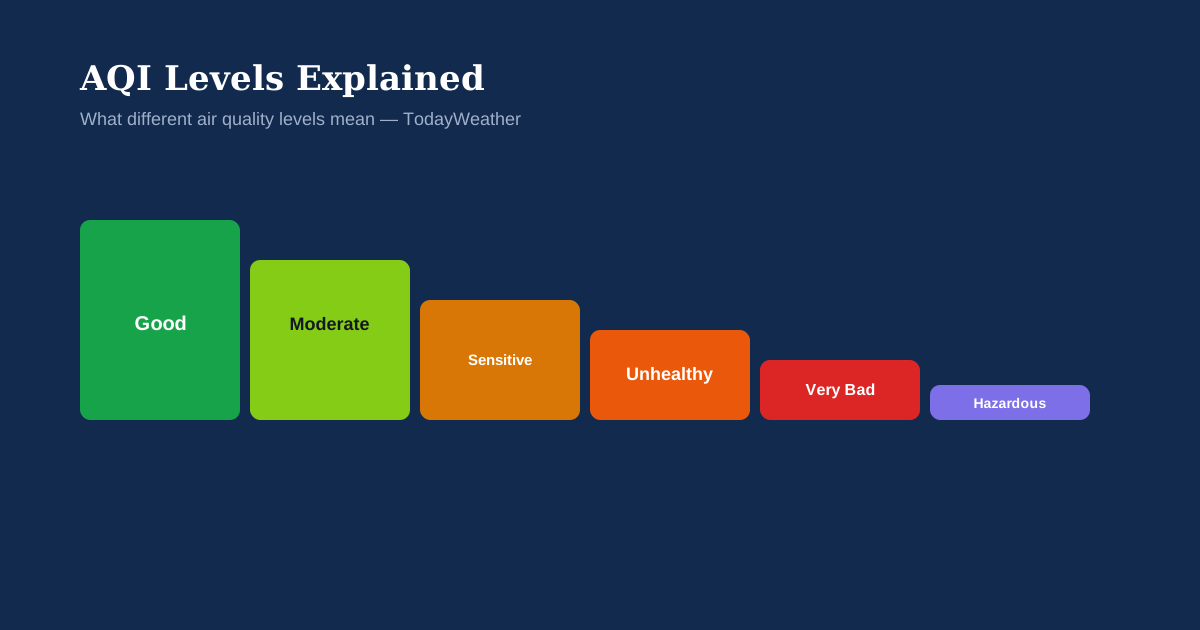
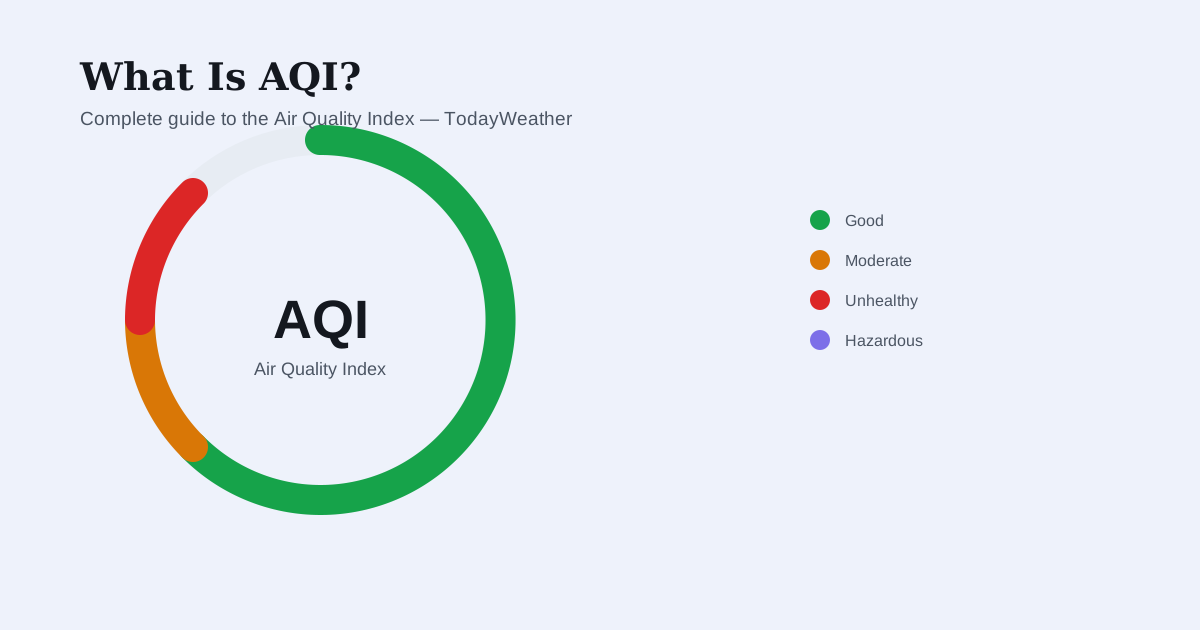
The Air Quality Index (AQI) provides an easy way to understand how polluted the air is. Checking AQI regularly allows you to:
- Plan outdoor activities safely.
- Protect sensitive family members.
- Reduce unnecessary exposure.
- Decide when additional precautions are needed.
Many weather apps and websites now display AQI alongside temperature and weather forecasts, making it easier to stay informed.
Conclusion
Air pollution is an invisible health risk that affects millions of people every day. From mild irritation to long-term respiratory and cardiovascular diseases, poor air quality can have serious consequences if exposure continues over time.
Fortunately, staying informed through daily AQI reports and following simple protective measures can significantly reduce health risks. Whether you're commuting, exercising, or spending time outdoors, paying attention to air quality is just as important as checking the weather forecast.
By making AQI part of your daily routine, you can take small but meaningful steps toward protecting your health and improving your overall well-being.