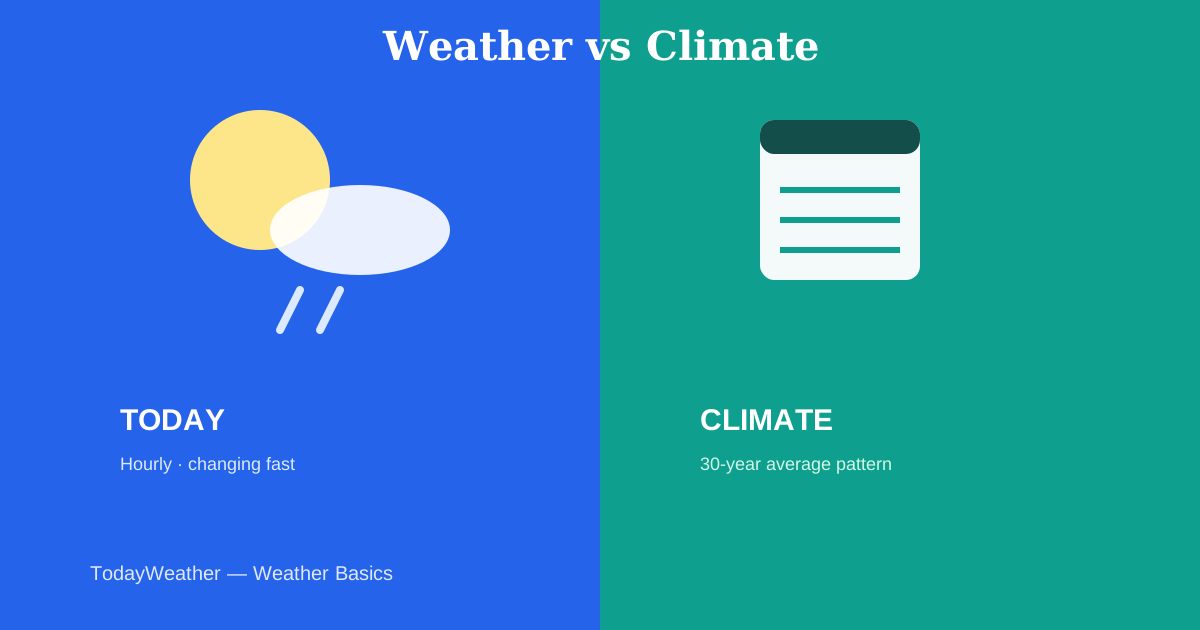
Many people use the words weather and climate interchangeably, but they do not mean the same thing. While both describe atmospheric conditions, they refer to different time periods and serve different purposes. Understanding the difference between weather and climate helps us better interpret forecasts, seasonal changes, and discussions about climate change.
Simply put, weather describes short-term atmospheric conditions, while climate refers to long-term weather patterns observed over many years. Knowing this distinction makes it easier to understand daily forecasts and long-term environmental trends.
What Is Weather?
Weather refers to the condition of the atmosphere at a specific place and time. It can change from hour to hour or day to day. A weather report usually includes information about:
- Temperature
- Humidity
- Wind speed and direction
- Rainfall or snowfall
- Air pressure
- Cloud cover
- Visibility
For example, today's weather might be sunny in the morning, cloudy in the afternoon, and rainy by evening. These short-term changes are what meteorologists forecast using weather stations, satellites, radar systems, and computer models.
Checking the weather forecast helps people decide what to wear, plan outdoor activities, or prepare for heavy rain, storms, or heatwaves.
What Is Climate?
Climate is the average pattern of weather in a particular region over a long period, usually 30 years or more. Instead of describing today's weather, climate explains what kind of weather is generally expected in a location throughout the year.
For example:
- Rajasthan has a hot and dry climate.
- Kerala experiences a tropical climate with heavy monsoon rainfall.
- Antarctica has an extremely cold polar climate.
- The United Kingdom generally has a cool and temperate climate.
Climate helps us understand why certain regions receive more rainfall, experience longer summers, or have colder winters than others.
Weather vs Climate: Key Differences
Although weather and climate are closely related, they differ in several important ways.
| Weather | Climate |
|---|---|
| Describes short-term atmospheric conditions | Describes long-term average weather patterns |
| Changes hourly or daily | Changes gradually over decades |
| Forecasted for days or weeks | Studied over 30 years or more |
| Based on current observations | Based on historical data and long-term trends |
| Helps plan daily activities | Helps understand seasonal and regional patterns |
A simple way to remember the difference is: weather tells you what to wear today, while climate tells you what clothes to keep in your wardrobe all year.
Real-Life Examples
Imagine you live in Delhi. One day, the temperature suddenly drops because of rain and strong winds. That is a weather event.
However, Delhi is generally known for extremely hot summers, a monsoon season, and cool winters. Those long-term seasonal characteristics describe its climate.
Similarly, Dubai may experience an occasional rainy day, but its overall hot and dry conditions represent its climate.
Why Understanding the Difference Matters
Knowing the difference between weather and climate helps people make better decisions in everyday life and across industries.
Farmers use weather forecasts to decide when to plant crops or harvest fields, while they rely on climate information to choose crops suitable for their region.
Travelers check the weather before a trip but use climate information when selecting the best season to visit a destination.
Engineers and city planners study climate patterns while designing buildings, roads, drainage systems, and water management projects.
Businesses, airlines, shipping companies, and emergency services also depend on both weather forecasts and climate data to reduce risks and improve planning.
Climate Change and Weather
One of the biggest misconceptions is that a single hot or cold day proves climate change. In reality, weather and climate operate on different time scales.
Climate change refers to long-term shifts in average temperatures, rainfall patterns, and extreme weather frequency over decades. Individual weather events cannot confirm or deny climate change on their own.
Scientists study many years of temperature records, rainfall data, sea-level observations, and other environmental indicators to understand climate trends.
At the same time, climate change can influence the frequency and intensity of certain weather events, such as heatwaves, heavy rainfall, or prolonged droughts.
Common Misconceptions
Several myths often create confusion between weather and climate.
- A cold day does not mean climate change has stopped.
- A heatwave alone does not prove climate change.
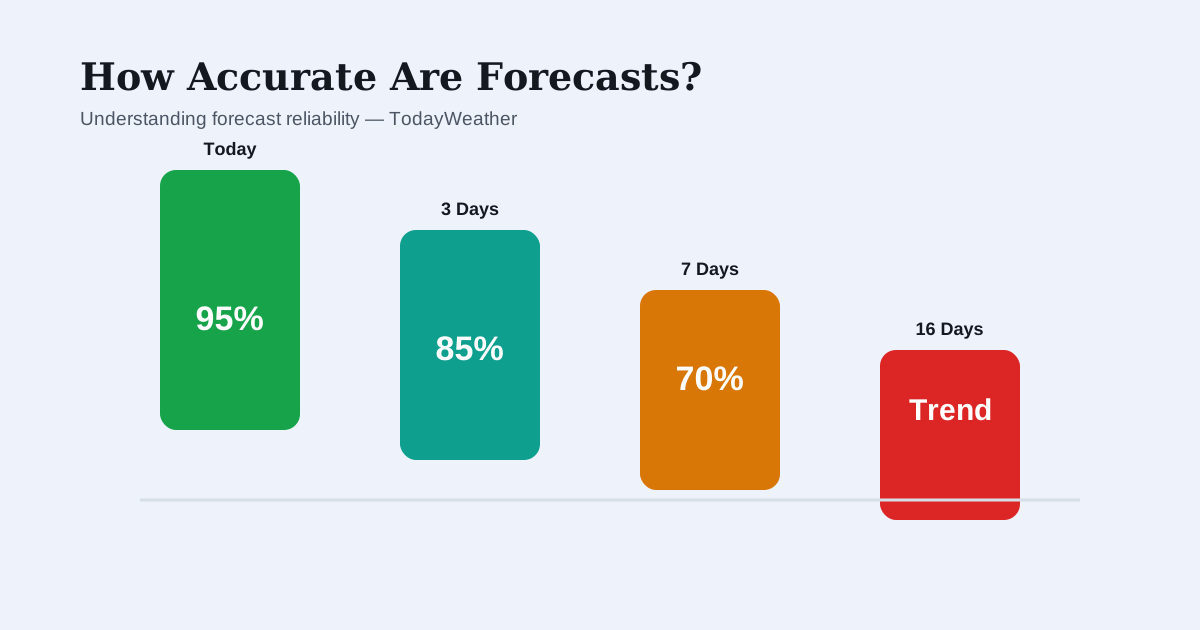
- Weather forecasts cannot accurately predict conditions months in advance.
- Climate describes averages over many years, not daily weather.
Understanding these differences helps people interpret weather reports and climate discussions more accurately.
Conclusion
Weather and climate are connected but not the same. Weather describes what is happening in the atmosphere today or over the next few days, while climate explains the long-term patterns that define a region over many years.
By understanding both concepts, individuals can make better travel plans, prepare for seasonal changes, and better understand environmental discussions. Reliable weather forecasts help with daily decisions, while climate knowledge supports long-term planning for communities, businesses, and governments.