Every day, millions of people check the weather forecast before leaving home, but another important factor that deserves equal attention is the Air Quality Index (AQI). The air we breathe has a direct impact on our health, and poor air quality can affect everyone — from children and older adults to athletes and people with respiratory conditions.
The Air Quality Index (AQI) is a simple scale used to measure and communicate how clean or polluted the air is. It helps people understand whether outdoor air is safe and what precautions they should take before spending time outside.
Whether you're planning a morning walk, a bike ride, or simply commuting to work, checking the AQI can help you make healthier decisions. In this guide, we'll explain what AQI is, how it is measured, what the different AQI levels mean, and why monitoring air quality has become increasingly important.
What Is AQI?
The Air Quality Index (AQI) is a numerical scale that indicates the quality of the air at a specific location. It converts complex pollution data into a simple number that is easy for the public to understand.
An AQI value represents the concentration of harmful pollutants in the atmosphere. Lower AQI values indicate cleaner air, while higher values indicate increasing levels of pollution and greater health risks.
Most weather websites and mobile apps display AQI alongside temperature, humidity, and weather forecasts, allowing users to quickly assess environmental conditions before heading outdoors.
How Is AQI Measured?
AQI is calculated using data collected from air quality monitoring stations. These stations continuously measure the concentration of several harmful pollutants in the atmosphere. Common pollutants include:
- PM2.5 (Fine Particulate Matter)
- PM10 (Coarse Particulate Matter)
- Ozone (O₃)
- Nitrogen Dioxide (NO₂)
- Sulfur Dioxide (SO₂)
- Carbon Monoxide (CO)
Advanced sensors record pollution levels throughout the day, and the highest pollutant concentration is used to calculate the overall AQI for that location.
Many countries have their own AQI systems, but the purpose remains the same — to provide a simple indicator of how healthy or unhealthy the air is.
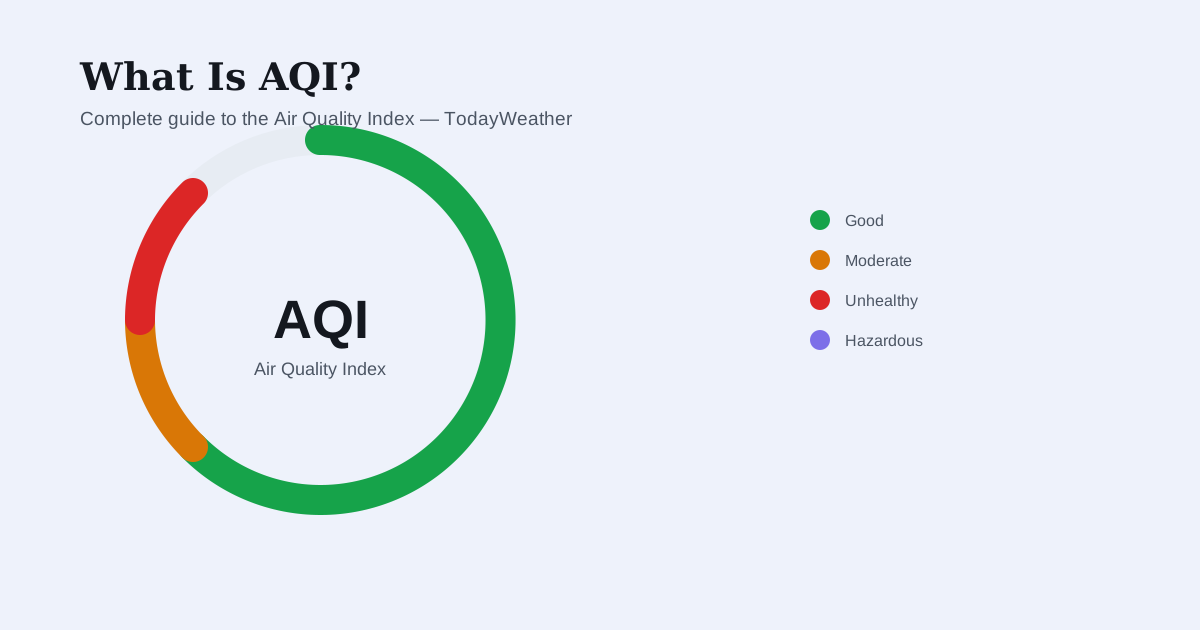
Understanding AQI Categories
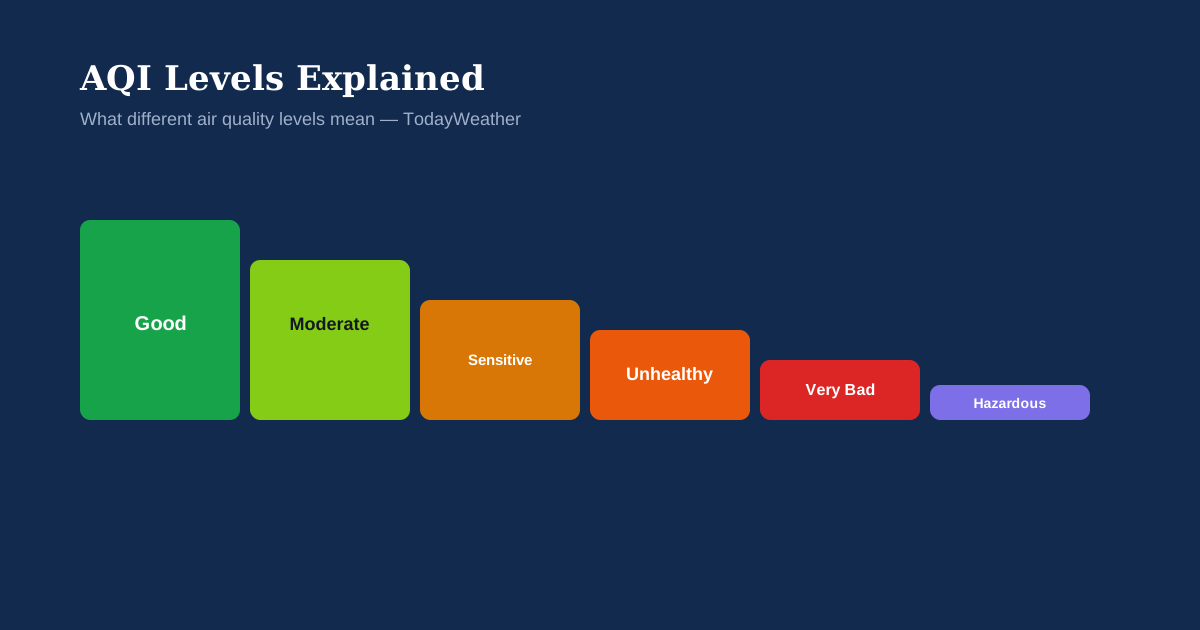
Although AQI scales may vary slightly between countries, they generally follow similar health categories.
Good (0–50)
Air quality is considered excellent. Outdoor activities are safe for everyone.
Moderate (51–100)
Air quality is acceptable for most people, although individuals with respiratory conditions may experience mild discomfort during prolonged outdoor exposure.
Unhealthy for Sensitive Groups (101–150)
Children, older adults, pregnant women, and people with asthma or heart disease should reduce prolonged outdoor activities.
Unhealthy (151–200)
Everyone may begin to experience health effects, especially during extended exposure outdoors.
Very Unhealthy (201–300)
Health warnings become more serious. Outdoor activities should be limited whenever possible.
Hazardous (301+)
Air quality poses significant health risks. Everyone should avoid unnecessary outdoor exposure and follow local health advisories.
Why Is AQI Important?
Poor air quality affects millions of people worldwide every year. Monitoring AQI helps individuals make informed decisions to protect their health. Checking AQI before going outside can help you:
- Plan outdoor exercise
- Protect children and elderly family members
- Reduce exposure to pollution
- Decide whether to wear a protective mask
- Avoid unnecessary travel during severe pollution episodes
- Improve daily health awareness
Many schools, sports organizations, and employers also monitor AQI before conducting outdoor activities.
What Causes Poor Air Quality?
Air pollution comes from both natural and human-made sources. Common causes include:
- Vehicle emissions
- Industrial pollution
- Construction dust
- Wildfires
- Crop burning
- Coal-fired power plants
- Dust storms
- Household fuel burning
Weather conditions also influence AQI. Strong winds often disperse pollutants, while calm weather may allow pollution to accumulate near the ground.
How to Check AQI
Today, checking air quality is easier than ever. You can monitor AQI using:
- Weather websites
- Mobile weather apps
- Government air quality monitoring portals
- Smart devices and widgets
- Live AQI maps
Most platforms update AQI regularly throughout the day using data from nearby monitoring stations.
Tips for Staying Safe During Poor AQI
When AQI reaches unhealthy levels, a few simple precautions can help reduce exposure.
- Limit prolonged outdoor activities.
- Keep windows closed when pollution is severe.
- Use an air purifier indoors if available.
- Wear a certified protective mask when necessary.
- Stay hydrated and avoid strenuous outdoor exercise.
- Check AQI before leaving home.
These small steps can help reduce the health effects of air pollution, especially for sensitive individuals.
Conclusion
The Air Quality Index (AQI) is one of the easiest ways to understand how clean or polluted the air is. By converting complex pollution data into a simple numerical scale, AQI helps people make informed decisions about outdoor activities and personal health.
Monitoring AQI has become just as important as checking the weather forecast. Whether you're planning a walk, travelling, or exercising outdoors, knowing the current air quality can help protect you and your family from unnecessary exposure to pollution.
As cities continue to grow and environmental challenges increase, regularly checking AQI is a smart habit that contributes to a healthier lifestyle.