Air quality varies significantly across the world. While some cities enjoy fresh, clean air throughout the year, others frequently experience unhealthy pollution levels due to rapid urbanization, heavy traffic, industrial activities, and weather conditions.
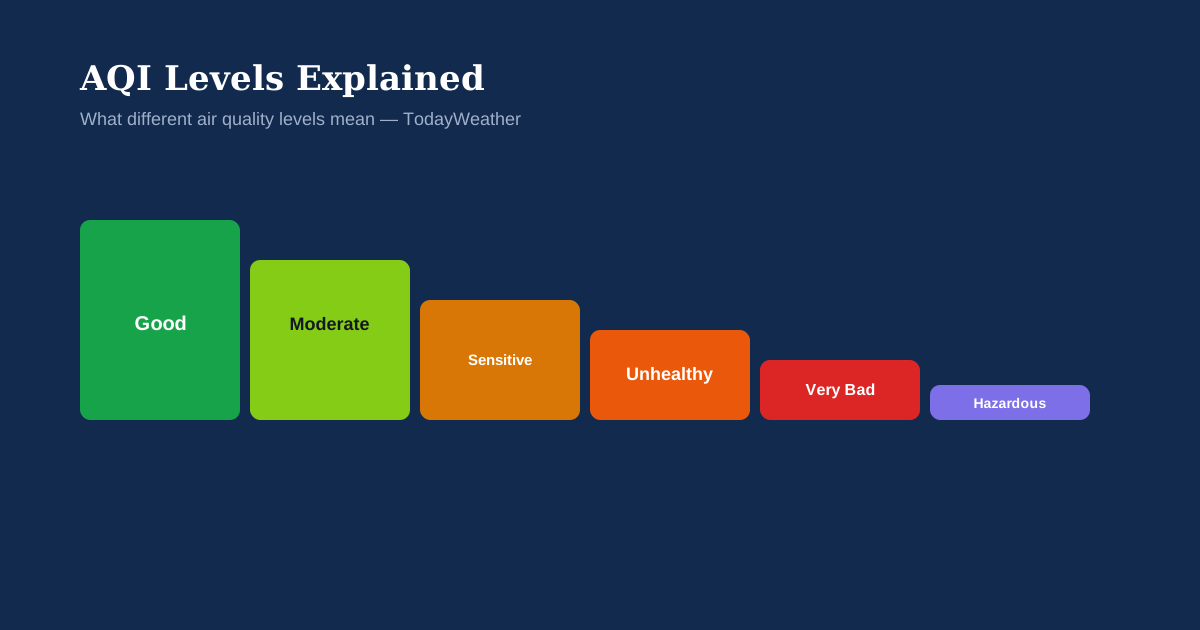
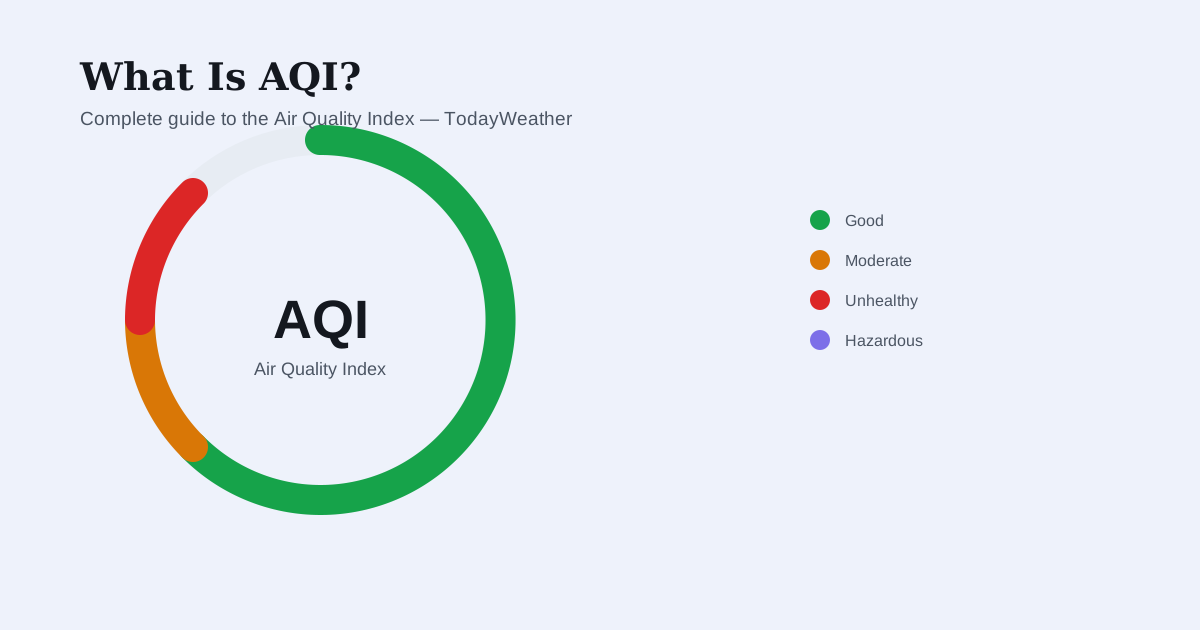
The Air Quality Index (AQI) is used worldwide to measure how clean or polluted the air is. A lower AQI indicates healthier air, while a higher AQI suggests greater pollution and increased health risks.
It's important to understand that AQI changes daily. A city with excellent air quality today may experience poor conditions tomorrow because of weather changes, wildfires, dust storms, or increased emissions. Instead of focusing only on rankings, understanding why air quality changes helps people make informed decisions about travel, outdoor activities, and overall health.
Why Air Quality Differs Between Cities
No two cities have exactly the same air quality. Several natural and human-made factors influence pollution levels. Some of the biggest contributors include:
- Population density
- Vehicle emissions
- Industrial activity
- Construction dust
- Weather conditions
- Wind speed
- Rainfall
- Forest fires
- Agricultural burning
- Geography
For example, rainfall often improves air quality by washing pollutants from the atmosphere, while calm weather can allow pollution to accumulate near the ground.
Cities Known for Better Air Quality
Many cities consistently record cleaner air because of favorable environmental conditions and effective pollution control measures. Characteristics of cleaner cities include:
- Large green spaces
- Lower traffic congestion
- Strict emission regulations
- Clean public transportation
- Renewable energy adoption
- Coastal winds that disperse pollutants
- Lower industrial emissions
These cities generally experience lower AQI values for much of the year, making outdoor activities safer and improving overall quality of life.
Cities That Often Experience Poor Air Quality
Highly populated metropolitan areas frequently face air pollution challenges. Common reasons include:
- Heavy traffic
- Industrial emissions
- Construction activities
- Coal-based energy production
- Seasonal crop burning
- Dust accumulation
- Limited wind circulation
During winter, pollution may become even worse because colder air can trap pollutants close to the ground, reducing air circulation.
It is important to note that AQI changes every day. A city should not be permanently labeled as "good" or "bad" based on short-term conditions.
Seasonal Changes in Air Quality
Air quality is strongly influenced by seasonal weather.
Summer
High temperatures may increase ground-level ozone formation, especially in urban areas.
Monsoon
Rainfall often improves AQI by removing dust and pollutants from the atmosphere.
Autumn
Crop residue burning and dry weather can temporarily reduce air quality in some regions.
Winter
Cold weather, temperature inversions, and reduced wind speeds often cause pollution levels to rise in many cities.
Understanding these seasonal patterns helps people better interpret AQI reports.
How Weather Affects AQI
Weather conditions play an important role in determining daily air quality. Factors that improve AQI include:
- Rainfall
- Strong winds
- Cooler atmospheric mixing
- Stable weather systems
Factors that may worsen AQI include:
- Calm winds
- High traffic periods
- Dust storms
- Wildfires
- Heatwaves
- Temperature inversions
Because weather changes frequently, AQI forecasts are updated regularly throughout the day.
How to Check AQI Before Travelling
Before visiting another city, it is a good idea to check its current AQI. Reliable weather platforms typically provide:
- Live AQI
- Hourly AQI forecast
- PM2.5 levels
- PM10 levels
- Health recommendations
- Weather forecast
- UV Index
- Wind information
Checking these details helps travelers plan outdoor sightseeing, sports, or business activities more safely.
Tips for Staying Safe in Polluted Cities
If you're visiting or living in a city with poor air quality, consider these precautions:
- Monitor the AQI daily.
- Limit outdoor exercise during high pollution.
- Wear a certified protective mask if necessary.
- Keep indoor air clean.
- Stay hydrated.
- Avoid peak traffic hours whenever possible.
- Follow official air quality advisories.
These simple habits can significantly reduce your exposure to harmful pollutants.
Why AQI Rankings Change Every Day
Many websites publish lists of cities with the best or worst air quality. However, these rankings are constantly changing because pollution levels depend on weather, traffic, industrial activity, and natural events.
A city that ranks among the cleanest today may experience poor air quality tomorrow due to changing atmospheric conditions. Similarly, rainfall or strong winds can quickly improve pollution levels in heavily populated cities.
For this reason, it is always better to rely on live AQI data rather than old rankings.
Conclusion
Air quality is an essential part of daily life, influencing health, travel, outdoor activities, and overall well-being. While some cities generally experience cleaner air than others, AQI is constantly changing due to weather conditions and pollution sources.
Instead of relying solely on city rankings, regularly checking live AQI helps you make informed decisions wherever you are. Whether you're planning a vacation, commuting to work, or exercising outdoors, understanding air quality allows you to protect your health and enjoy a safer environment.