Air pollution is an invisible threat that affects millions of people every day. While you may not always notice poor air quality, breathing polluted air can have serious effects on your health. High levels of pollution can irritate your eyes and throat, worsen asthma, reduce lung function, and increase the risk of heart and respiratory diseases.
The good news is that you can reduce your exposure by taking a few simple precautions. Monitoring the Air Quality Index (AQI) and adjusting your daily routine during periods of poor air quality can significantly lower health risks.
In this guide, you'll learn practical tips to protect yourself and your family when AQI levels become unhealthy.
Why Poor Air Quality Is Dangerous
Air pollution contains tiny particles and harmful gases that enter your lungs every time you breathe. Fine particles such as PM2.5 are especially dangerous because they are small enough to reach deep into the lungs and even enter the bloodstream.
Short-term exposure may cause:
- Eye irritation
- Coughing
- Sneezing
- Sore throat
- Headaches
- Difficulty breathing
Long-term exposure has been linked to:
- Asthma
- Chronic lung diseases
- Heart disease
- Stroke
- Reduced lung function
- Other long-term health complications
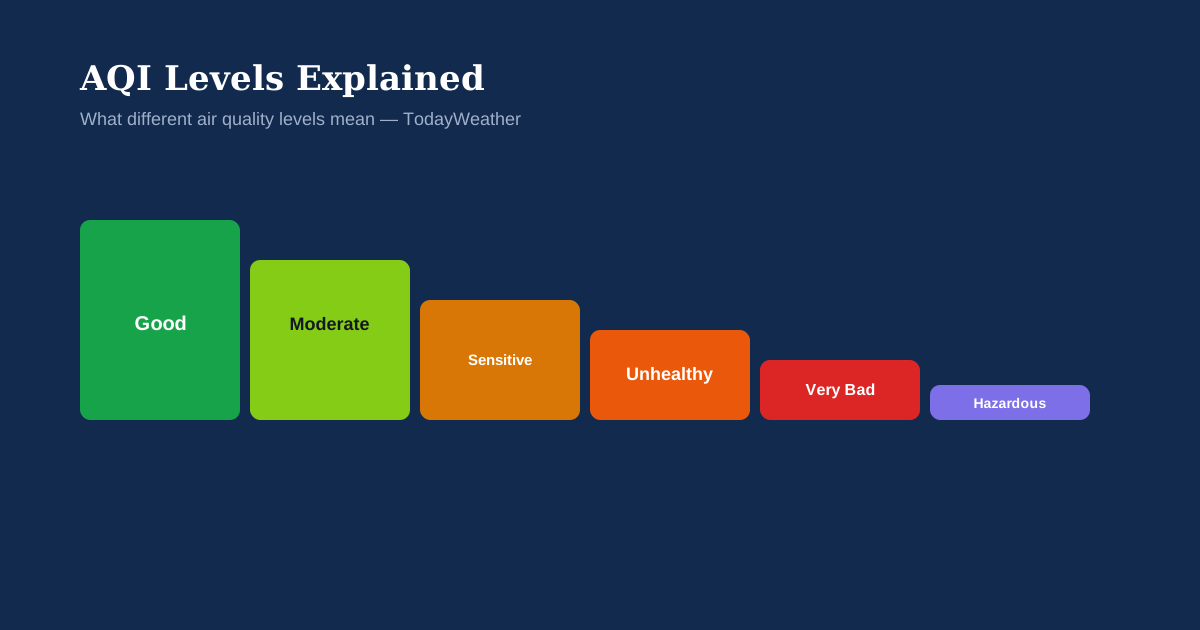
The higher the AQI, the greater the health risk.
Check AQI Before Going Outside
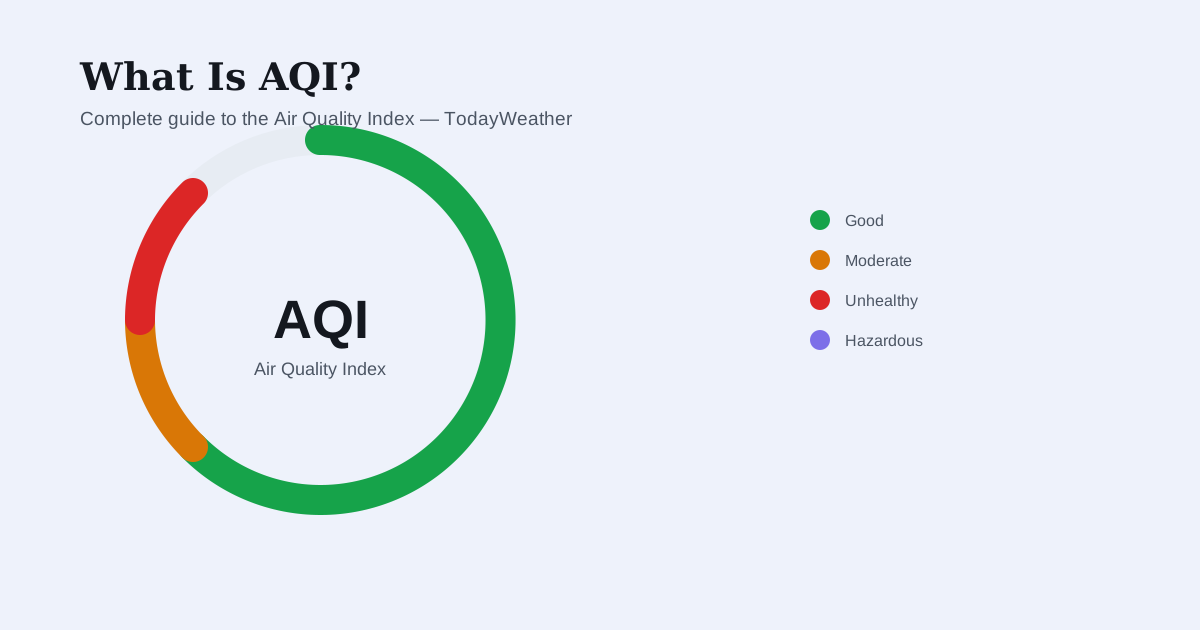
One of the easiest ways to protect yourself is to check the Air Quality Index before leaving home. Many weather websites and mobile apps display live AQI alongside the weather forecast. Before planning outdoor activities, check:
- Current AQI
- Hourly AQI forecast
- Weather conditions
- Wind speed
- Rain forecast
If AQI reaches unhealthy levels, consider limiting outdoor activities until conditions improve.
Reduce Outdoor Activities
During periods of poor air quality, reducing the amount of time spent outdoors can significantly lower exposure to pollutants. If AQI is high:
- Avoid jogging or cycling outdoors.
- Reschedule outdoor exercise.
- Limit children's outdoor playtime.
- Stay indoors during peak pollution hours.
- Reduce unnecessary travel.
Indoor exercise may be a safer option when pollution levels remain high.
Wear a Protective Mask
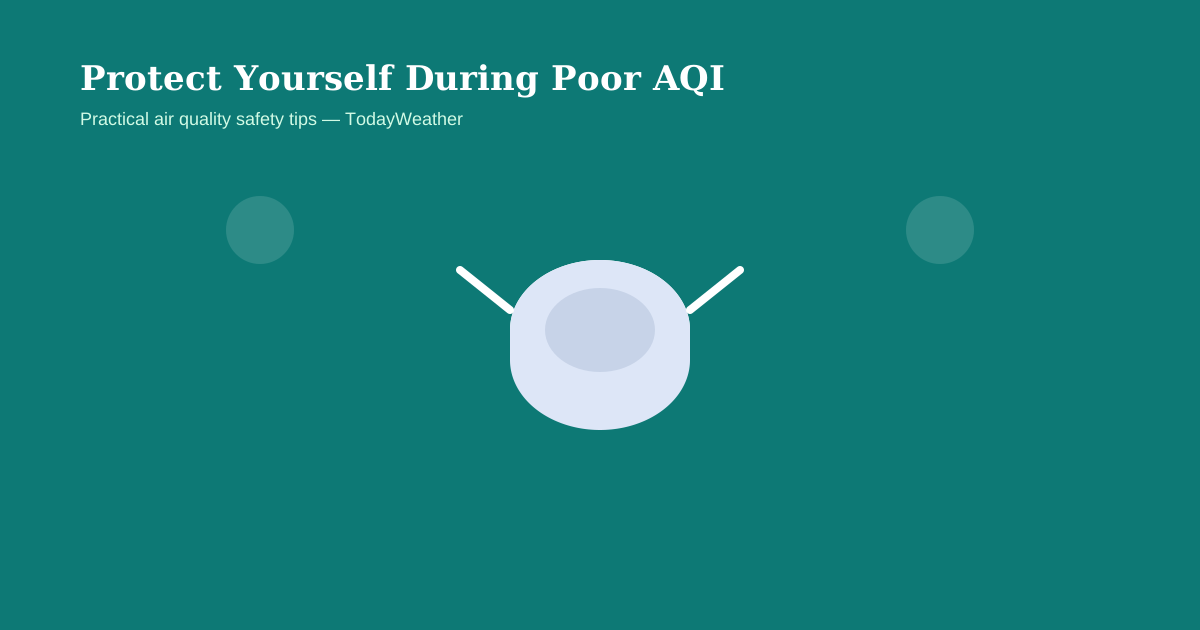
If you must go outside during periods of poor air quality, wearing a well-fitted protective mask can help reduce exposure to harmful particles.
Certified particulate-filtering masks provide better protection than ordinary cloth masks against fine particulate matter. A properly fitted mask works more effectively by reducing the amount of polluted air you breathe.
Improve Indoor Air Quality
Although outdoor pollution cannot always be avoided, indoor air quality can often be improved. Some useful steps include:
- Keep windows closed during severe pollution.
- Use air purifiers if available.
- Clean air filters regularly.
- Reduce indoor smoke sources.
- Maintain good ventilation when outdoor AQI improves.
Indoor plants may improve the appearance of indoor spaces, but they should not be considered a replacement for proper ventilation or air filtration.
Stay Hydrated and Maintain Good Health
Staying healthy helps your body respond better to environmental stress. Simple habits include:
- Drink plenty of water.
- Eat fresh fruits and vegetables.
- Get adequate sleep.
- Avoid smoking.
- Follow prescribed treatment if you have asthma or other respiratory conditions.
Maintaining overall health supports your body's natural defence mechanisms.
Protect Sensitive Groups
Certain individuals are more vulnerable to poor air quality. Extra precautions should be taken for:
- Children
- Older adults
- Pregnant women
- People with asthma
- Individuals with heart disease
- People with chronic lung conditions
If AQI becomes unhealthy, these groups should reduce outdoor exposure whenever possible and follow medical advice if symptoms worsen.
Travel Smart During High AQI
Air pollution is often highest near busy roads and during peak traffic hours. To reduce exposure:
- Choose less congested routes.
- Keep vehicle windows closed during heavy traffic.
- Use air recirculation mode in your vehicle if available.
- Avoid long outdoor waits near major roads.
Even small changes in travel habits can reduce daily exposure to pollution.
Follow Official Air Quality Alerts
Many governments and weather services issue air quality advisories when pollution reaches unhealthy levels. Pay attention to:
- AQI warnings
- Health advisories
- Weather alerts
- Pollution forecasts
These updates help you plan your activities more safely.
Make AQI Part of Your Daily Routine
Just as people check the weather forecast before leaving home, checking AQI should become a daily habit. Before stepping outside, ask yourself:
- Is today's AQI safe?
- Should outdoor exercise be postponed?
- Are children or elderly family members at risk?
- Is it better to work indoors today?
These simple questions can help reduce unnecessary exposure to polluted air.
Conclusion
Poor air quality is a growing environmental challenge, but simple precautions can greatly reduce its impact on your health. Checking the AQI, limiting outdoor activities during severe pollution, improving indoor air quality, and following official health advisories are effective ways to stay safe.
Whether you are commuting to work, planning a morning walk, or sending children to school, understanding AQI and taking preventive measures can help protect your family from the harmful effects of air pollution. Making air quality awareness part of your daily routine is a small step that can make a big difference over time.