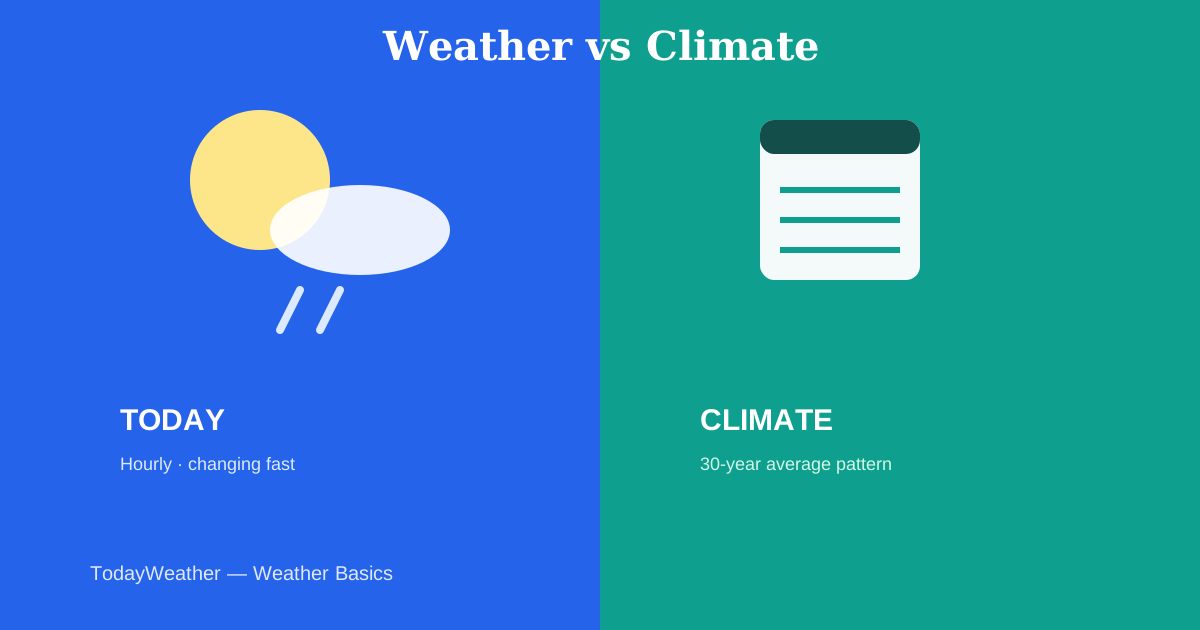
Many people use the words weather and climate interchangeably, but they do not mean the same thing. While both describe atmospheric conditions, they refer to different time periods and are used for different purposes.
For example, if someone says "It's raining today," they are talking about the weather. However, when someone says "India experiences a tropical monsoon climate," they are describing the climate.
Understanding the difference between weather and climate is important because it helps us interpret forecasts, prepare for seasonal changes, understand climate trends, and make informed decisions in agriculture, travel, construction, and disaster management.
In this guide, we'll explain the differences between weather and climate, how they are measured, why they change, and why understanding both is essential.
What Is Weather?
Weather refers to the short-term condition of the atmosphere at a particular place and time. It describes what is happening outside right now or what is expected to happen over the next few hours or days.
Weather changes continuously because of shifting atmospheric conditions.
Common weather conditions include:
- Temperature
- Rainfall
- Humidity
- Wind Speed
- Wind Direction
- Cloud Cover
- Air Pressure
- Visibility
- Thunderstorms
- Snowfall
- Fog
Weather forecasts usually predict conditions from a few hours up to about ten days using observations from satellites, radar systems, weather stations, and computer models.
What Is Climate?
Climate refers to the long-term average weather pattern of a region over many years, typically calculated using observations collected over at least 30 years.
Instead of describing today's weather, climate tells us what weather conditions are generally expected in a location over a long period.
Climate includes:
- Average temperature
- Average rainfall
- Seasonal weather patterns
- Humidity trends
- Wind patterns
- Snowfall frequency
- Long-term weather variability
For example:
- The Sahara Desert has a hot, dry climate.
- Northern Europe generally has a cooler climate.
- Tropical regions experience warm temperatures throughout most of the year.
Unlike weather, climate changes gradually over decades rather than from one day to the next.
Weather vs Climate: Key Differences
| Weather | Climate |
|---|---|
| Short-term atmospheric conditions | Long-term average weather patterns |
| Changes every hour or day | Changes over decades |
| Forecast for hours or days | Studied over many years |
| Highly variable | Relatively stable over shorter periods |
| Used for daily planning | Used for long-term planning |
A simple way to remember the difference is:
Weather is what you experience today. Climate is what you expect over many years.
What Factors Affect Weather?
Weather is influenced by several atmospheric conditions.
Temperature
The amount of heat in the atmosphere affects cloud formation, rainfall, and wind patterns.
Air Pressure
Differences in air pressure create winds and influence storm development.
Humidity
The amount of water vapour in the air determines cloud formation and the likelihood of rain.
Wind
Wind transports heat and moisture across different regions.
Clouds
Cloud cover influences sunshine, rainfall, and daily temperatures.
These factors interact continuously, causing weather to change throughout the day.
What Factors Affect Climate?
Climate depends on larger geographical and environmental influences.
Latitude
Regions near the Equator receive more direct sunlight and are generally warmer than areas near the poles.
Altitude
Higher elevations are usually cooler because air temperatures decrease with height.
Distance from Oceans
Coastal regions often experience milder temperatures because oceans absorb and release heat more slowly than land.
Ocean Currents
Warm and cold ocean currents influence regional temperatures and rainfall patterns.
Mountains
Mountain ranges affect wind flow and rainfall distribution, often creating wetter and drier regions on opposite sides.
Why Does Weather Change So Frequently?
Weather changes because the Earth's atmosphere is constantly moving.
Several processes contribute to changing weather conditions:
- Heating by the Sun
- Air pressure differences
- Moisture movement
- Wind circulation
- Cloud development
- Storm systems
Because these conditions change continuously, meteorologists update weather forecasts several times each day.
Why Is Climate Important?
Climate influences many aspects of daily life and long-term planning.
It helps determine:
- Agricultural practices
- Water resource management
- Building design
- Infrastructure planning
- Tourism
- Wildlife habitats
- Energy demand
- Disaster preparedness
Governments, scientists, farmers, and businesses all use climate information for planning future activities.
How Meteorologists Study Weather and Climate
Modern weather forecasting combines observations from multiple sources.
Meteorologists use:
- Weather satellites
- Doppler radar
- Automatic weather stations
- Ocean buoys
- Weather balloons
- Aircraft observations
- Computer forecasting models
Climate scientists analyse decades of historical weather records to identify long-term trends and patterns.
Although weather forecasting focuses on short-term conditions, climate studies examine changes over many years.
Did You Know? Weather forecasts are generally most accurate over the next few days. As the forecast extends further into the future, uncertainty naturally increases because the atmosphere is constantly changing.
TodayWeather Expert Tip: When planning outdoor activities, always check the weather forecast rather than climate averages. Climate helps you understand what is typical for a season, but weather tells you what is actually expected today.
Common Myth vs Fact
Myth: Weather and climate mean the same thing.
Fact: Weather describes short-term atmospheric conditions, while climate represents long-term average weather patterns observed over many years.
Conclusion
Although weather and climate are closely related, they describe different aspects of the Earth's atmosphere. Weather refers to the conditions you experience today or over the next few days, while climate describes the average weather patterns observed over decades.
Understanding this difference helps people make better decisions in everyday life, from planning travel and outdoor events to preparing for seasonal changes and understanding long-term environmental trends. By checking reliable weather forecasts and learning about local climate patterns, individuals can stay better prepared throughout the year.