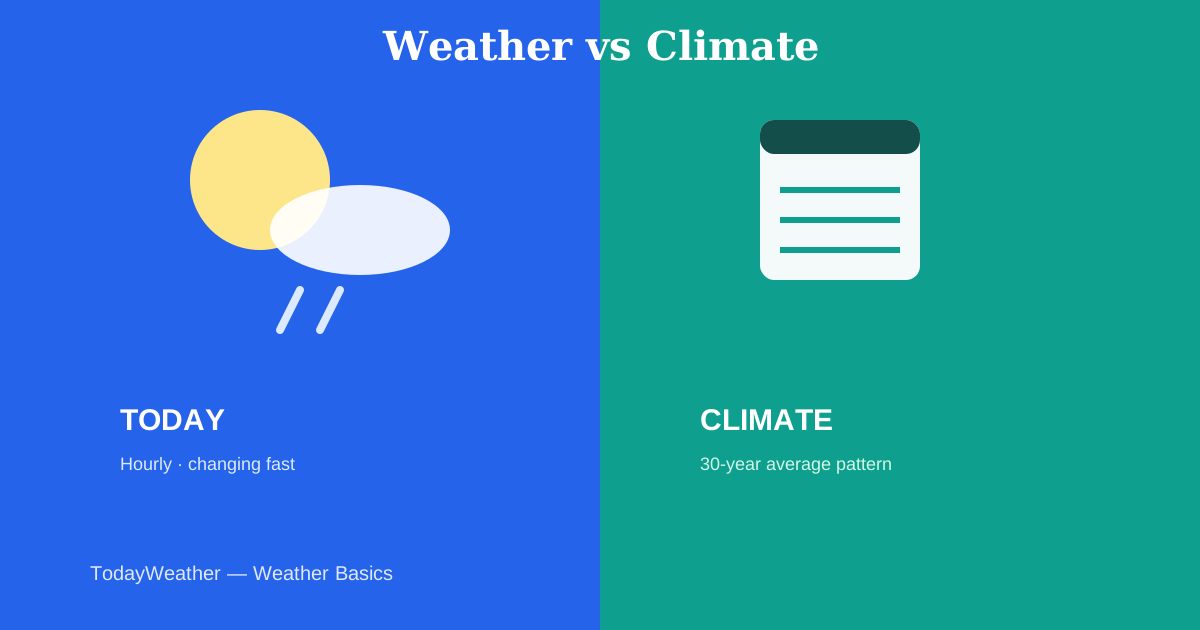
Weather is the condition of the atmosphere at a particular place and time. It describes what is happening outside right now or what is expected to happen over the next few hours or days. When you hear someone say, "It's sunny today," "Heavy rain is expected this evening," or "Strong winds are approaching," they are talking about the weather.
Weather changes continuously because the Earth's atmosphere is constantly moving. The Sun heats different parts of the Earth unevenly, creating differences in temperature and air pressure. These differences cause winds, clouds, rain, thunderstorms, and other weather conditions that we experience every day.
Checking the weather forecast before leaving home helps people decide what to wear, whether to carry an umbrella, or if it is safe to travel. Farmers rely on weather forecasts for irrigation and harvesting, while pilots, sailors, construction workers, and event planners use weather information to make important decisions.
Why Does Weather Change?
Weather changes because the atmosphere is a dynamic system influenced by several natural factors. The biggest source of energy is the Sun, which heats land, oceans, and air unevenly. Warm air rises while cooler air moves in to replace it, creating winds and changing weather patterns.
Several factors influence weather changes, including:
- Temperature
- Air pressure
- Humidity
- Wind speed and direction
- Clouds
- Rainfall
- Ocean currents
- Mountains and local geography
For example, coastal cities often experience different weather compared to inland regions because oceans help regulate temperatures. Similarly, mountainous areas may receive more rainfall than nearby plains due to elevation.
The Main Elements of Weather
Weather is made up of several important components that work together.
Temperature
Temperature tells us how hot or cold the air is. It is usually measured in degrees Celsius (°C) or Fahrenheit (°F). Temperature changes throughout the day depending on sunlight, cloud cover, and seasonal conditions.
Humidity
Humidity measures the amount of water vapor present in the air. High humidity often makes the air feel warmer than the actual temperature, while low humidity usually creates a drier and cooler feeling.
Wind
Wind is moving air caused by differences in atmospheric pressure. Weather reports often include both wind speed and wind direction because strong winds can significantly affect outdoor conditions.
Air Pressure
Air pressure refers to the weight of the air pressing down on the Earth's surface. Falling pressure often indicates changing weather or approaching storms, while higher pressure usually brings clearer skies.
Clouds
Clouds form when water vapor cools and condenses into tiny droplets. Different cloud types can provide clues about upcoming weather. Dark, towering clouds often indicate thunderstorms, while thin white clouds generally suggest fair weather.
Rainfall
Rain occurs when water droplets inside clouds become heavy enough to fall to the ground. Depending on temperature, precipitation may also occur as snow, sleet, or hail.
Common Types of Weather
People experience many different weather conditions throughout the year.
Sunny Weather
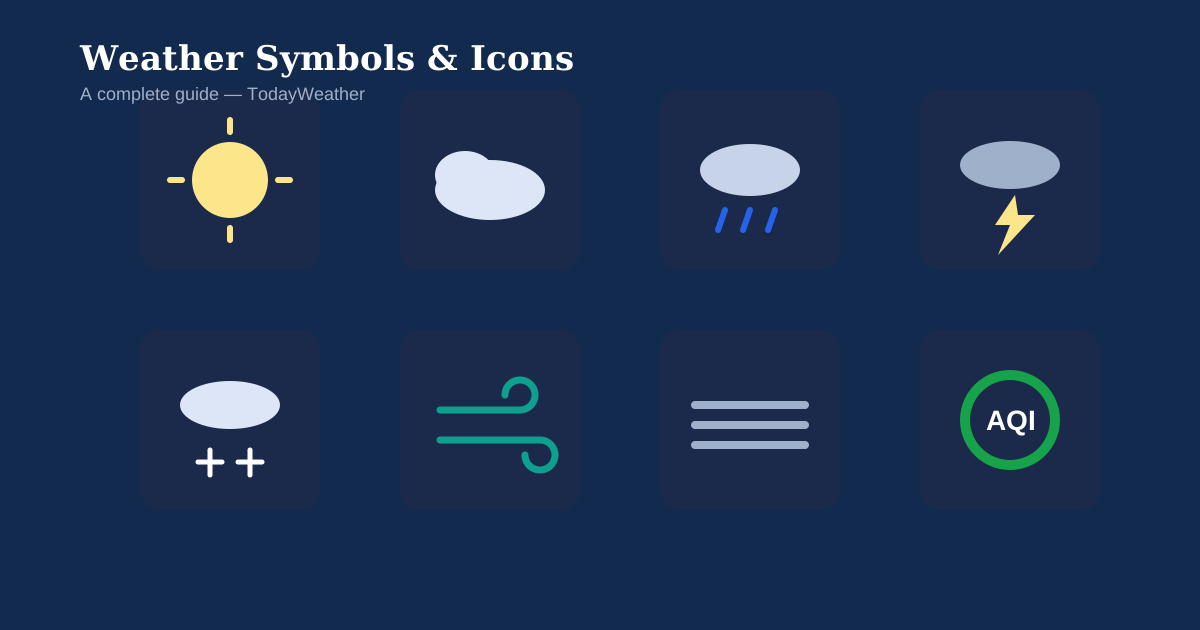
Sunny weather features clear skies, bright sunshine, and little cloud cover. It is generally suitable for outdoor activities.
Cloudy Weather
Cloudy conditions occur when much of the sky is covered by clouds. Cloud cover can reduce temperatures and may signal changing weather.
Rainy Weather
Rain is one of the most common forms of precipitation. It helps replenish rivers, lakes, and groundwater but may also cause flooding during heavy downpours.
Stormy Weather
Storms often include strong winds, lightning, thunder, and heavy rainfall. Severe storms may require weather warnings to keep people safe.
Snowy Weather
In colder climates, precipitation may fall as snow instead of rain. Snow affects transportation, outdoor activities, and daily routines.
Foggy Weather
Fog forms when tiny water droplets remain suspended near the ground, reducing visibility and making driving more challenging.
Why Weather Is Important
Weather influences nearly every aspect of our daily lives. People use weather forecasts to:
- Plan travel safely
- Schedule outdoor events
- Decide what to wear
- Prepare for heavy rain or storms
- Protect crops and livestock
- Manage flights and shipping
- Organize construction work
- Enjoy outdoor sports and recreation
Modern weather forecasting also helps governments issue warnings for cyclones, floods, heatwaves, and other severe weather events, allowing communities to prepare in advance.
Interesting Facts About Weather
Weather is full of fascinating natural phenomena.
- Lightning can heat the surrounding air to temperatures hotter than the surface of the Sun.
- Clouds may look light and fluffy, but some large storm clouds can weigh millions of kilograms because of the water they contain.
- Rain does not always reach the ground. In very dry air, it can evaporate before falling, creating a phenomenon known as virga.
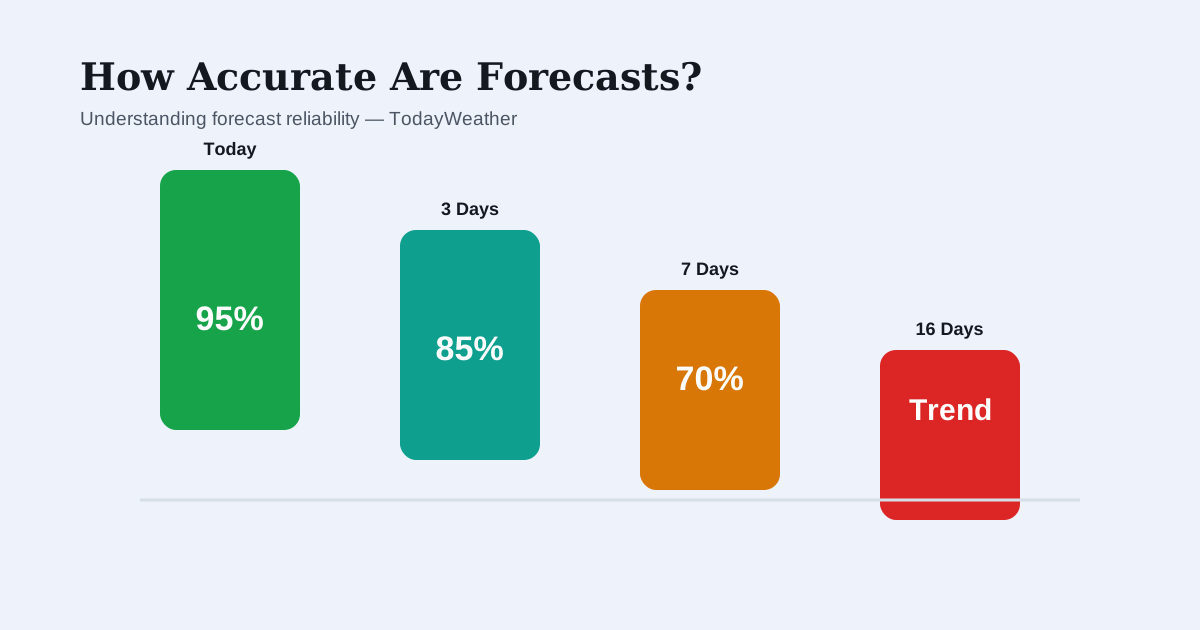
- Weather forecasts become more uncertain the farther they predict into the future because the atmosphere changes continuously.
- Modern forecasting combines weather stations, satellites, radar systems, ocean observations, and advanced computer models to improve accuracy.
Conclusion
Weather is much more than sunshine or rain — it is the constantly changing condition of the Earth's atmosphere. Understanding temperature, humidity, wind, air pressure, clouds, and rainfall helps us make better decisions every day. Whether you are planning a trip, preparing for outdoor activities, or simply deciding what to wear, reliable weather information plays an important role in everyday life.
As technology continues to improve, weather forecasting becomes more accurate, helping individuals, businesses, and communities stay informed and prepared for changing conditions.