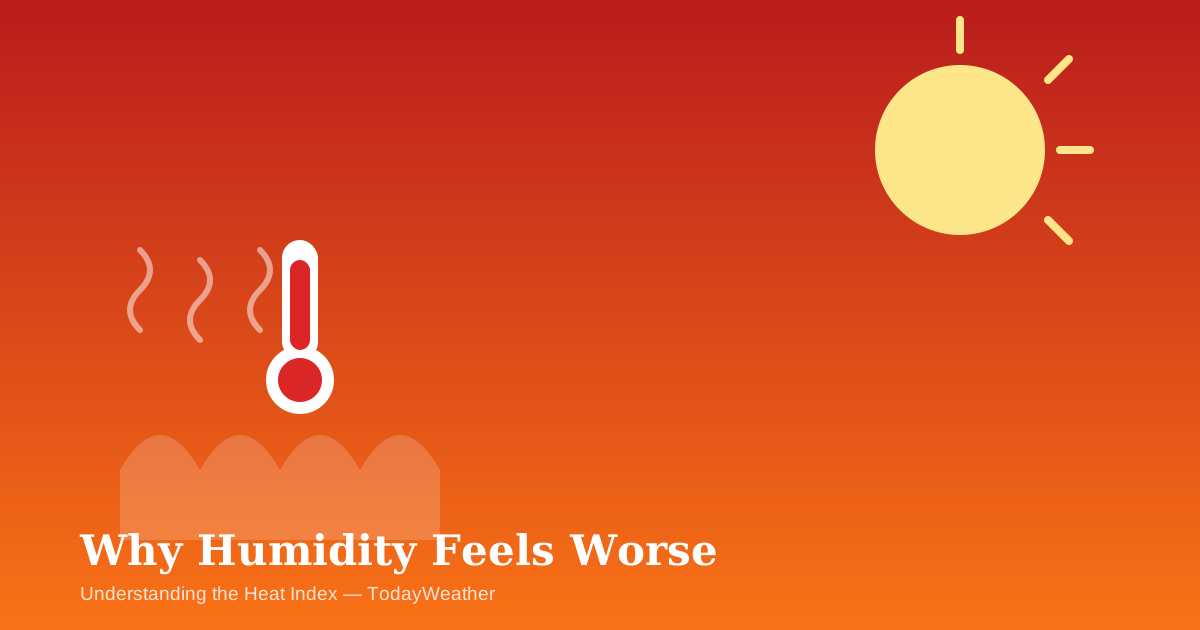
When people talk about summer weather, they often focus on the temperature. However, two days with the same air temperature can feel completely different depending on the humidity level. That's why a day with a temperature of 35°C may feel comfortable in a dry climate but extremely uncomfortable in a humid one.
The reason behind this difference is the Heat Index, often referred to as the "Feels Like" temperature. It combines air temperature and relative humidity to estimate how hot the weather actually feels to the human body.
Understanding the Heat Index can help you make safer decisions during hot weather, especially when spending time outdoors.
What Is Humidity?
Humidity is the amount of water vapor present in the air.
There are different ways to measure humidity, but the most commonly used is Relative Humidity (RH). Relative humidity represents the percentage of moisture in the air compared to the maximum amount the air can hold at a given temperature.
For example:
- 20–40%: Dry air
- 40–60%: Comfortable humidity
- Above 70%: High humidity
- Above 85%: Extremely humid
Why Does Humidity Make You Feel Hotter?
The human body naturally cools itself by producing sweat.
When sweat evaporates from your skin, it removes heat from your body, helping maintain a safe internal temperature.
However, in humid weather, the air already contains a large amount of moisture, making it difficult for sweat to evaporate efficiently.
As a result:
- Sweat stays on your skin longer.
- Your body struggles to cool down.
- You feel much hotter than the actual air temperature.
- Heat builds up inside your body.
This is why humid weather often feels exhausting even without direct sunlight.
What Is the Heat Index?
The Heat Index is a measurement that combines Air Temperature and Relative Humidity to estimate how hot the weather actually feels to people.
For example:
| Air Temperature | Relative Humidity | Feels Like |
|---|---|---|
| 35°C | 30% | 35°C |
| 35°C | 60% | 41°C |
| 35°C | 80% | 49°C |
Even though the thermometer still reads 35°C, your body experiences conditions similar to 49°C.
Did You Know? The Heat Index was designed for shaded, light-wind conditions — standing in direct sunlight can push the "feels like" temperature up by another 8°C or more.
Health Risks of High Heat Index
A high Heat Index increases the risk of heat-related illnesses.
Common problems include:
- Heat Exhaustion
- Heat Stroke
- Severe Dehydration
- Muscle Cramps
- Fatigue
- Headache
- Dizziness
Older adults, children, outdoor workers, and people with existing health conditions are especially vulnerable.
Signs of Heat Exhaustion
Watch for these symptoms:
- Heavy sweating
- Weakness
- Fast heartbeat
- Cool, moist skin
- Nausea
- Muscle cramps
- Headache
- Dizziness
If untreated, heat exhaustion can progress to heat stroke, which is a medical emergency.
How to Stay Safe During Humid Weather
You can reduce the effects of high humidity by following a few simple precautions.
Drink Plenty of Water
Stay hydrated throughout the day, even if you don't feel thirsty.
Avoid Direct Sunlight
Limit outdoor activities during the hottest part of the day, usually between 11 AM and 4 PM.
Wear Lightweight Clothing
Choose loose-fitting, breathable fabrics like cotton or moisture-wicking materials.
Use Fans and Air Conditioning
Improve indoor ventilation to help your body cool down.
Take Frequent Breaks
If you work outdoors, rest in shaded or air-conditioned areas regularly.
Watch Weather Updates
Check the daily forecast for temperature, humidity, and Heat Index before planning outdoor activities.
TodayWeather Expert Tip: Before you plan your day, check today's live temperature and rain forecast for your city on TodayWeather's home page — the hourly forecast and live rain radar can warn you of a shower long before it starts.
Heat Index Around the World
Many tropical and coastal regions frequently experience high humidity levels. Examples include:
- India during the monsoon season
- Southeast Asia
- Gulf countries
- Southern United States
- Caribbean islands
In these areas, the "Feels Like" temperature often exceeds the actual air temperature by several degrees.
Why Weather Apps Show "Feels Like"
Most modern weather services display both the actual temperature and the "Feels Like" temperature because it provides a better indication of outdoor comfort and potential health risks.
For example: Actual Temperature 34°C, Feels Like 42°C. This difference is mainly caused by humidity.
Final Thoughts
Temperature alone doesn't tell the whole story about how hot the weather feels. Humidity plays a crucial role in determining your comfort and safety during hot weather.
By understanding the Heat Index and monitoring humidity levels alongside the temperature, you can make smarter decisions about outdoor activities, stay hydrated, and reduce the risk of heat-related illnesses.
Whether you're commuting, exercising, traveling, or simply planning your day, checking the "Feels Like" temperature can be just as important as checking the actual forecast.