When people check the weather forecast, they often focus only on temperature and rainfall. However, wind speed is another important weather factor that can significantly affect transportation, agriculture, outdoor activities, aviation, and even personal safety.
Whether you're planning a road trip, flying a drone, working outdoors, or preparing for a storm, understanding wind conditions helps you make smarter and safer decisions.
What Is Wind?
Wind is simply the movement of air from areas of high atmospheric pressure to areas of low atmospheric pressure. The greater the pressure difference, the stronger the wind becomes. Wind is usually measured by speed, direction, and gusts.
What Is Wind Speed?
Wind speed tells us how fast the air is moving. It is commonly measured in kilometers per hour (km/h), miles per hour (mph), meters per second (m/s), or knots (used in aviation and marine navigation). Weather stations use an instrument called an anemometer to measure wind speed.
What Are Wind Gusts?
Wind gusts are short bursts of stronger wind that occur suddenly and usually last only a few seconds. For example: Average Wind Speed 18 km/h, Wind Gusts 42 km/h. Although the average wind is moderate, the stronger gusts can still create hazardous conditions.
Why Wind Gusts Matter
Strong gusts can make driving difficult, damage trees, blow away loose objects, affect aircraft during takeoff and landing, increase wildfire spread, and create dangerous sea conditions. That's why weather forecasts usually display both average wind speed and maximum gusts.
Wind Speed Categories
| Wind Speed | Conditions |
|---|---|
| 0–5 km/h | Calm |
| 6–20 km/h | Light Breeze |
| 21–40 km/h | Moderate Wind |
| 41–60 km/h | Strong Wind |
| 61–88 km/h | Gale Conditions |
| Above 89 km/h | Storm Force Winds |
The impact also depends on terrain, buildings, and vegetation.
Did You Know? A "gust" is officially defined as a peak wind speed lasting only 20 seconds or less — that's why the gust number on a forecast is almost always higher than the average wind speed for the same hour.
How Wind Affects Daily Life
Transportation
Strong winds can reduce vehicle stability, affect motorcycles, delay flights, disrupt ferry services, and create rough sea conditions. Drivers of trucks, buses, and high-sided vehicles should be especially cautious.
Aviation
Pilots closely monitor crosswinds, wind shear, gusts, and turbulence. Strong winds can affect aircraft during takeoff and landing, making accurate forecasts essential.
Agriculture
Farmers use wind forecasts to schedule spraying, protect crops, plan irrigation, reduce soil erosion, and harvest safely. High winds can damage crops, fruit trees, and greenhouses.
Construction
Construction companies often suspend crane operations, high-rise work, roof installation, and scaffolding work during periods of strong winds.
Outdoor Activities
Wind conditions influence hiking, camping, cycling, sailing, fishing, golf, photography, and drone flying. Checking the wind forecast helps avoid unnecessary risks.
Wind and Wildfires
Strong winds are one of the biggest factors influencing wildfire spread. High winds carry embers long distances, increase fire intensity, make firefighting more difficult, and change fire direction rapidly. This is why wildfire alerts often include wind forecasts.
How Weather Forecasts Predict Wind
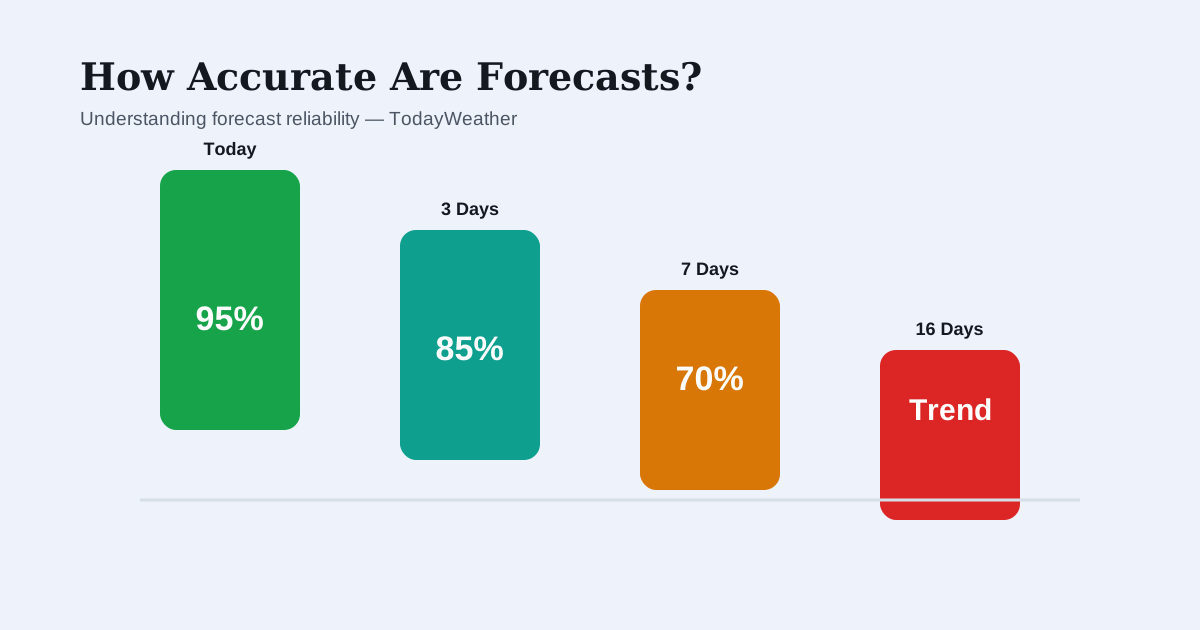
Meteorologists use weather satellites, Doppler radar, ground weather stations, ocean buoys, atmospheric pressure models, and numerical weather prediction systems. These tools estimate future wind speed, direction, and gusts with increasing accuracy.
TodayWeather Expert Tip: Before you plan your day, check today's live temperature and rain forecast for your city on TodayWeather's home page — the hourly forecast and live rain radar can warn you of a shower long before it starts.
Safety Tips During Strong Winds
- Secure outdoor furniture and loose objects.
- Avoid parking under large trees.
- Stay away from damaged power lines.
- Delay outdoor work during wind warnings.
- Drive carefully, especially on bridges and open highways.
- Follow official weather advisories.
Final Thoughts
Wind may not always receive as much attention as rain or temperature, but it plays a vital role in daily weather conditions. Understanding wind speed and wind gusts can help improve travel safety, protect property, support farming activities, and reduce the risks associated with severe weather.
Checking the wind forecast alongside temperature and rainfall gives a more complete picture of the day's weather and helps you plan with confidence.